















Pope Leo XIV’s apostolic letter marks 60 years of Vatican II education declaration, urging Catholic schools to draw ‘new maps of hope’ in digital age.
Newsroom (28/10/2025, Gaudium Press ) In a sweeping 11-chapter apostolic letter released Tuesday, Pope Leo XIV marked the 60th anniversary of the Vatican II declaration Gravissimum Educationis with a clarion call for Catholic educators to forge “new maps of hope” in an era of digital fragmentation, educational emergencies, and widening global disparities.
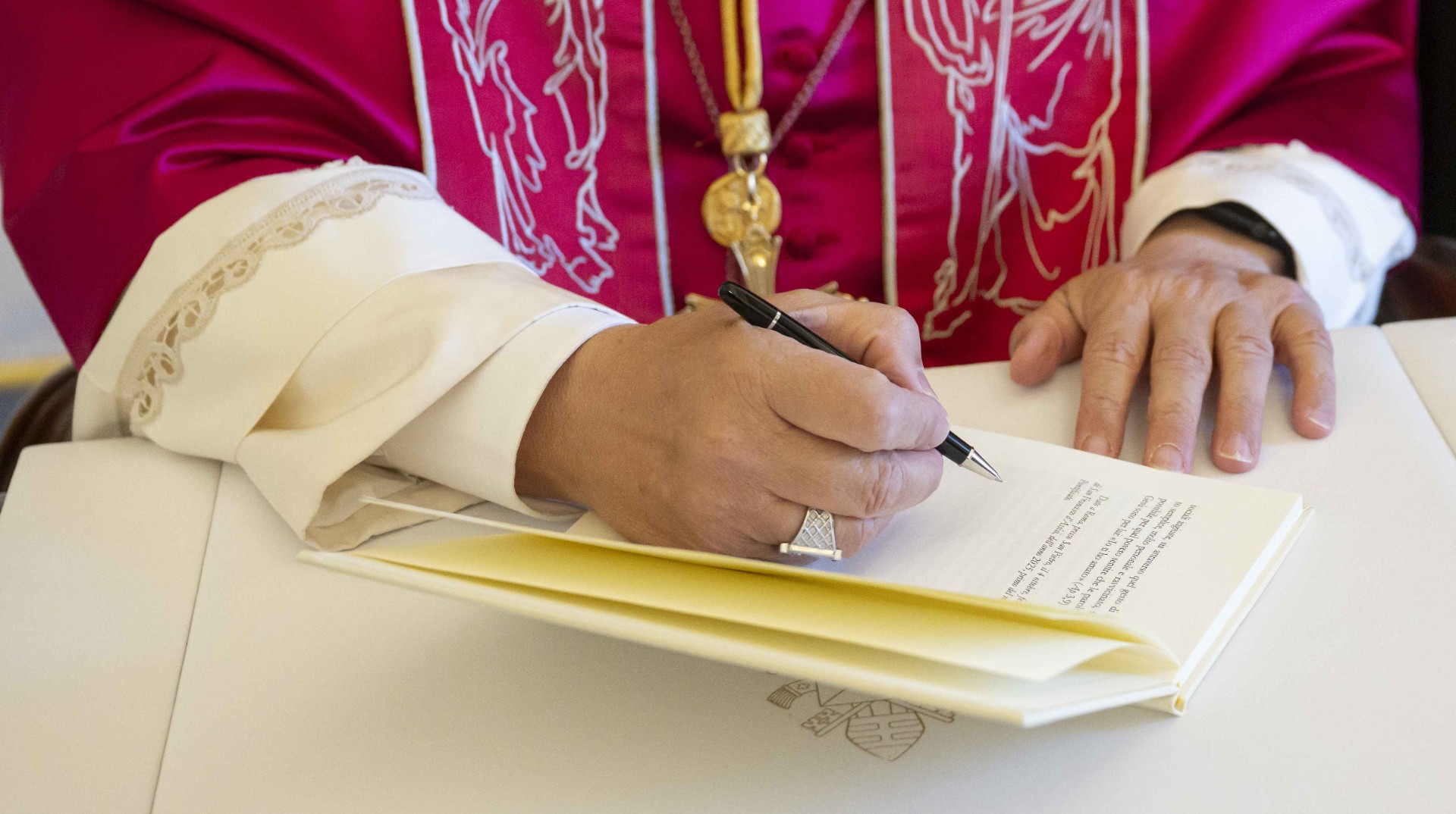
The 28-page document, Drawing New Maps of Hope, dated October 27 and published on the anniversary itself—October 28, 2025—blends historical reflection, theological depth, and practical directives. It positions education as the “fabric of evangelization” and issues a series of actionable mandates for schools, universities, families, and digital platforms.
Historical Sweep and Saintly Lineage
Leo XIV traces Catholic pedagogy from the apothegms of the Desert Fathers to the medieval scriptoria that preserved classical texts. He credits monasticism with safeguarding culture during turbulent centuries and hails the medieval universities—born “from the heart of the Church”—as “incomparable centres of creativity.”
The pope devotes extended passages to 17th-19th century innovators:
- St. Joseph Calasanz, who opened free schools in Rome for poor children, proving “literacy and numeracy are dignity even before competence.”
- St. John Baptist de La Salle, founder of the Brothers of the Christian Schools, who fought exclusion of workers’ children.
- St. Marcellin Champagnat and St. John Bosco, whose preventive method turned discipline into “reasonableness and proximity.”
- A litany of women: Vicenza Maria López y Vicuña, St. Francesca Cabrini, St. Giuseppina Bakhita, Maria Montessori, St. Katharine Drexel, and St. Elizabeth Ann Seton, who pioneered education for girls, migrants, and the marginalized.
Quoting his own exhortation Dilexi te, Leo reiterates: “The education of the poor, for the Christian faith, is not a favour, but a duty.”
Newman Elevated as Co-Patron
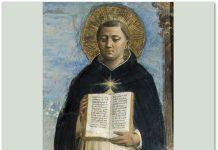
In a move anticipated by Vatican watchers, Leo XIV proclaims St. John Henry Newman co-patron of Catholic education alongside St. Thomas Aquinas. Newman’s maxim—“religious truth is not only a part but a condition of general knowledge”—is presented as a bulwark against utilitarian curricula. The pope warns against a “fides at odds with ratio,” urging instead an “empathetic vision” that engages contemporary self-understanding.
The ‘Educational Constellation’
Leo employs the metaphor of a celestial constellation to describe the global Catholic network: parish catechesis, pontifical universities, Jesuit colleges, Lasallian schools, Montessori centers, digital ministries, and service-learning programs. “Each star has its own brightness,” he writes, “but together they chart a course.”
He demands:
- Global collaboration: teacher exchanges, intercontinental projects, shared best practices.
- Subsidiarity: local adaptation without sacrificing universal principles.
- Inclusion of non-believers: institutions must welcome families seeking “truly human education,” fostering participatory communities where lay people, religious, and students co-own the mission.
Digital Navigation and AI Ethics
The letter confronts the “complex, fragmented, and digitalized educational environment” head-on. Technologies, Leo insists, “must serve people, not replace them.” He rejects both technophobia and uncritical adoption, calling for:
- Mandatory digital formation in teacher training.
- Platforms governed by “public ethics” and data protection.
- Theological reflection on AI to ensure algorithms prioritize dignity over efficiency.
“No algorithm can replace poetry, irony, love, art, imagination, or learning from mistakes,” he writes.
Global Compact Plus Three Priorities
Building on Pope Francis’ 2020 Global Compact on Education, Leo XIV reaffirms its seven pillars—person-centeredness, youth voice, women’s dignity, family primacy, inclusion, responsible economy, and care for creation. He appends three new emphases:
- Interior life: spaces for silence, conscience dialogue, and encounter with God.
- Human digitalization: harmonizing technical, emotional, social, spiritual, and ecological intelligences.
- Disarming peace: curricula that teach nonviolent language, reconciliation, and “bridges, not walls,” invoking the Beatitude “Blessed are the peacemakers” (Mt 5:9).
Family, State, and Subsidiarity
Echoing Gravissimum Educationis, Leo reaffirms parents’ “sacred right” to religious education and the state’s duty to fund diverse school options without ideological monopoly. He condemns the “ironclad logic of finance” that subordinates learning to job-market metrics.
Catholic schools, he says, must partner with—not supplant—families through “intentionality, listening, and co-responsibility.” Shared assessments and joint planning are non-negotiable.
Ecological and Social Justice Nexus
Drawing on St. Bonaventure’s Collationes in Hexaemeron, Leo presents creation as a “book written from the outside” where every creature reflects the divine. Education must therefore:
- Link environmental care with poverty alleviation.
- Teach moderation, anti-waste habits, and “cultural and moral literacy.”
- Form consciences that choose “what is right” over “what is convenient.”
Personal Testimony from Chiclayo
In a rare autobiographical note, Leo recalls his years as bishop of Chiclayo, Peru, visiting the Catholic University of San Toribio de Mogrovejo. “One is not born a professional,” he told students then. “Every university path is built step by step, book by book, sacrifice after sacrifice.”
Final Exhortation
Addressing educators directly, Leo XIV issues a tripartite charge:
- Disarm your words—replace polemics with meek listening.
- Lift your gaze—like Abraham counting stars, ask “where you are going and why.”
- Guard your heart—prioritize relationship over program.
The letter closes with an entrustment to Mary, Sedes Sapientiae, and St. Paul’s imperative: “You must shine like stars in the world, holding fast the word of life” (Phil 2:15-16).
Immediate Reception
The Vatican’s Dicastery for Culture and Education has scheduled regional synods to implement the letter’s directives. The Global Catholic Education network announced a 2026 “Constellation Summit” in Rome to coordinate intercontinental partnerships. Scholars note the document’s balance of continuity and innovation, with one Jesuit theologian calling it “a pastoral GPS for the third millennium.”
The full text is available on the Vatican website
- Raju Hasmukh with files from vatican.va
Related Images: