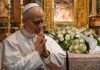





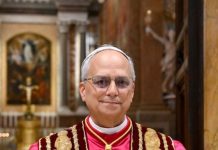













Pope Leo XIV has called on moral theologians to draw inspiration from St. Alphonsus Liguori as they address the ethical complexities of the modern world, emphasizing a balanced approach rooted in divine revelation.
Newsroom (21/08/2025, Gaudium Press )Pope Leo XIV has called on moral theologians to draw inspiration from St. Alphonsus Liguori and other saints as they address the ethical complexities of the modern world, emphasizing a balanced approach rooted in divine revelation. In a message to the 17th International Congress of Moral Theology, held Aug. 20–21 at the San Alfonso University Foundation in Bogotá, Colombia, the pontiff urged participants to reflect on contemporary challenges through the lens of faith.
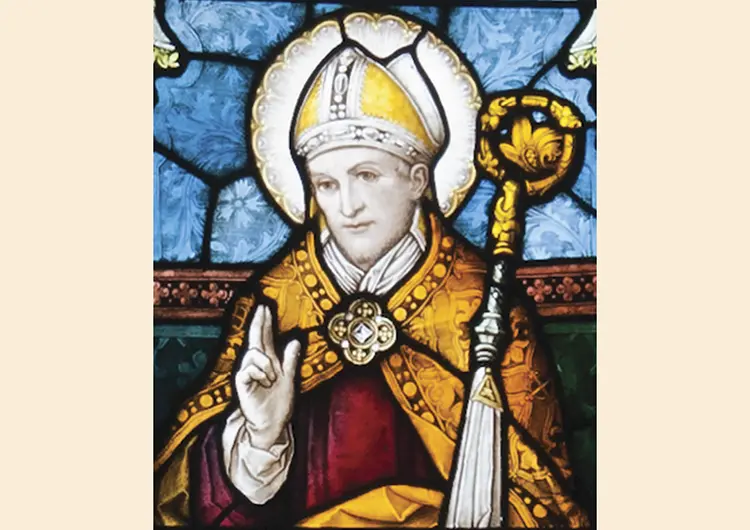
The congress, themed “Ethics of the 21st Century: Changes and Conflicts in Society, Gender, AI, and Integral Ecology,” gathered theologians from around the world to discuss pressing moral issues. In a telegram signed by Cardinal Secretary of State Pietro Parolin, Pope Leo XIV highlighted St. Alphonsus Liguori, the 18th-century Italian saint and Doctor of Moral Theology, as a model for navigating the interplay between divine law and human conscience.
“Saint Alphonsus was able to find a balanced synthesis of the laws of God and the dynamics of man’s conscience and freedom, at the same time assuming a charitable, understanding, and patient attitude towards his brethren, thus becoming a visible sign of God’s infinite mercy,” the Pope stated.
The Holy Father expressed hope that the congress would serve as a “favourable opportunity” to explore modern challenges—ranging from societal shifts and gender issues to artificial intelligence and environmental concerns—in light of divine revelation, which he described as finding its fullness in Jesus Christ.
The message concluded with an invocation of the Blessed Virgin Mary, “Seat of Wisdom,” and an Apostolic Blessing for the participants and their families.
The biennial congress, hosted by the Redemptorist-run San Alfonso University Foundation, follows the 2023 edition, which focused on ethical and bioethical challenges stemming from the COVID-19 pandemic. This year’s event continues the tradition of fostering dialogue on moral theology in response to global developments.
- Raju Hasmukh with files from Vatican News and CNA
Related Images: