


















Pope Leo XIV warns of AI’s risks to children, calling for digital education and ethical policies to safeguard minors’ dignity at Vatican conference.
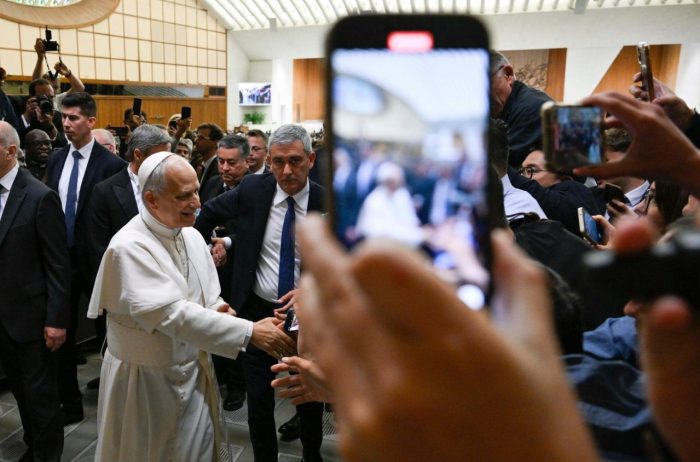
Newsroom (13/11/2025 Gaudium Press) Pope Leo XIV issued a compelling call to action on Thursday, urging a global commitment to protect children and adolescents from the potential dangers of artificial intelligence (AI). Speaking at the Vatican’s “The Dignity of Children and Adolescents in the Age of Artificial Intelligence” Conference, the pontiff emphasized that safeguarding the dignity of minors in the digital age demands more than policies—it requires robust digital education and ethical responsibility.
The Pope highlighted the transformative impact of AI on daily life, from education to entertainment, and its profound implications for the safety and well-being of young people. “Artificial intelligence raises important ethical questions, especially concerning the protection of the dignity and well-being of minors,” he said, noting that children and adolescents are particularly susceptible to manipulation by AI algorithms. These systems, he warned, can subtly influence young people’s decisions and preferences, shaping their behavior in ways that may undermine their autonomy.
“Parents and educators must be aware of these dynamics,” Pope Leo stressed, advocating for the development of tools to monitor and guide minors’ interactions with technology. He called on governments and international organizations to take decisive action by updating data protection laws to address the unique challenges posed by emerging technologies. Additionally, he urged the promotion of ethical standards to govern the development and use of AI, ensuring that these systems prioritize human dignity.
However, the Pope was clear that policies alone are insufficient. “Safeguarding the dignity of minors cannot be reduced to policies alone; it also requires a digital education,” he said, echoing the sentiments of his predecessor, Pope Francis. He referenced Pope Francis’ remarks in a safeguarding project led by three major Catholic associations in Italy, where adults were encouraged to embrace their role as “artisans of education.” Pope Leo built on this idea, asserting that ethical guidelines, while essential, must be complemented by sustained educational efforts.
These efforts, he explained, should involve adults who are themselves trained and supported through collaborative networks. The goal is to equip young people with the knowledge and critical thinking skills needed to navigate the digital world responsibly. “This process involves understanding the risks that both the use of AI and premature, unlimited, and unsupervised digital access may pose to the relationships and development of young people,” the Pope said. By actively engaging with these risks, minors can be empowered to approach technology as a tool for fostering responsible decision-making, both for themselves and others.
Pope Leo underscored that such an approach is not merely practical but deeply ethical. “This is a vital exercise in safeguarding human originality and connectedness, which must always be guided by respect for human dignity as a fundamental value,” he said. Only through an educational, ethical, and responsible framework, he argued, can AI be harnessed as an ally in the growth and development of children, rather than a threat to their well-being.
In his closing remarks, the Pope expressed hope that the conference would lay a “solid foundation” for continued efforts to serve children, young people, and the broader ecclesial and civil community. He concluded by imparting a blessing, reaffirming his commitment to addressing the challenges of the digital age with compassion and foresight.
The Pope’s address comes at a time when AI’s rapid advancement is prompting widespread debate about its ethical implications, particularly for vulnerable populations. His call for a balanced approach—combining policy, education, and ethical stewardship—offers a roadmap for ensuring that technology serves humanity’s highest values, with the dignity of minors at its core.
- Raju Hasmukh with files from Vatican News
Related Images: