










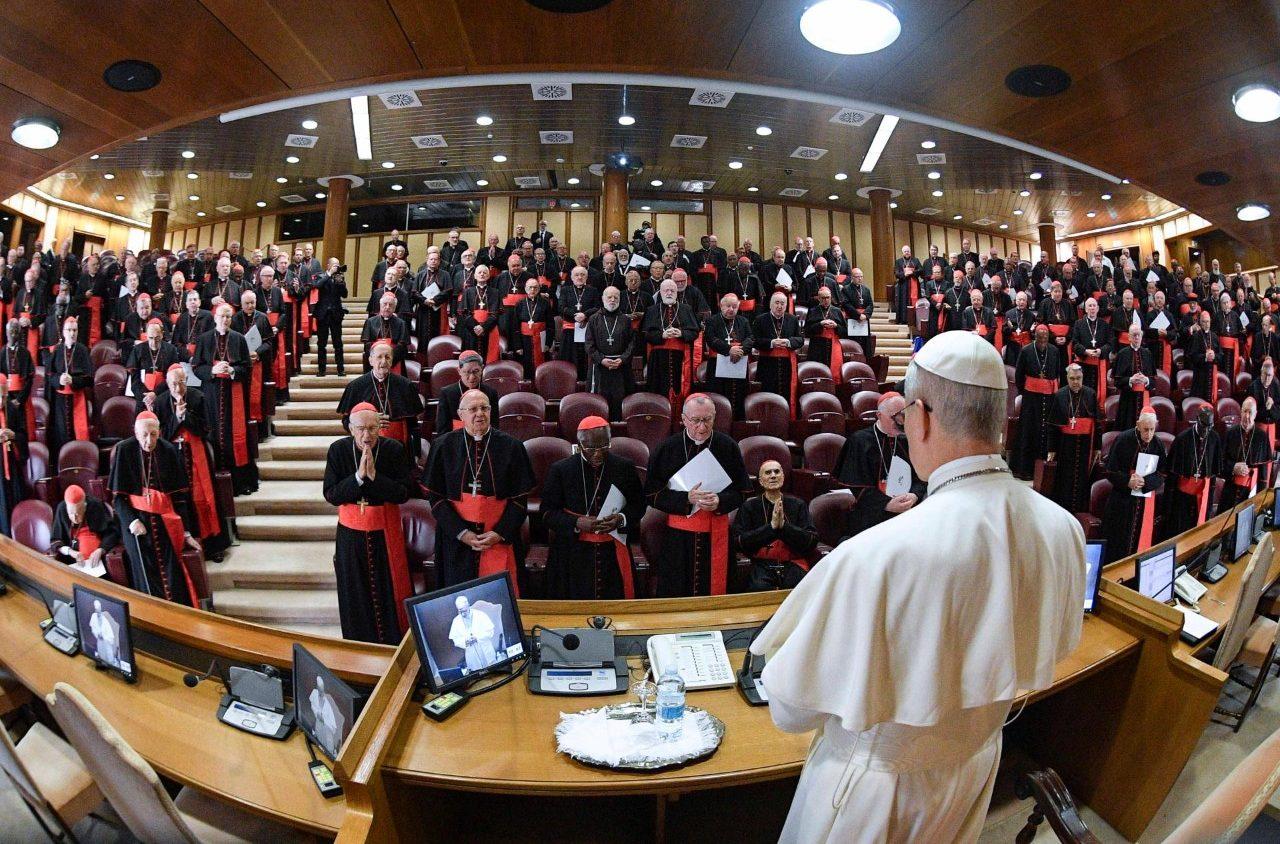
Pope Leo emphasized the foundational value of the 2022 apostolic constitution Praedicate Evangelium, which restructured the Curia to prioritize service over bureaucracy
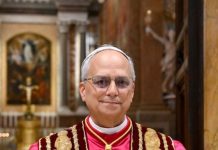
Newsroom (18/09/2025, Gaudium Press )I n a candid interview with Crux Now, Pope Leo XIV, the newly elected pontiff, signaled his commitment to advancing the reforms of the Roman Curia initiated by his predecessor, Pope Francis, while identifying key areas for refinement and innovation. The Pope emphasized the foundational value of the 2022 apostolic constitution Praedicate Evangelium, which restructured the Curia to prioritize service over bureaucracy, but acknowledged that “unfinished business” remains, including the need to dismantle institutional silos that have long hampered effective governance in the Catholic Church.
The conversation, part of a broader discussion on the Pope’s early priorities, highlighted Leo’s intent to foster a more collaborative and mission-oriented Holy See. Drawing from his own experience as a former official in the Dicastery for Bishops, the Pope painted a vivid picture of the Curia’s past shortcomings. “Many, many bishops have said to me… that when they would come to Rome, they were petrified. What am I being called to Rome for? What’s the problem?” he recounted. “Instead of understanding that the Holy See is here to help them, to serve them.”
This anecdote underscores a central theme in Leo’s approach: repositioning the Curia as a supportive entity aligned with the Church’s evangelizing mission, as encapsulated in the title Praedicate Evangelium—Latin for “Preach the Gospel.” The constitution, promulgated by Francis after years of consultation, merged several Vatican offices, created new dicasteries focused on issues like integral human development and laity, and emphasized synodality, or collaborative decision-making. It represented the most sweeping overhaul of the Curia since Pope Paul VI’s reforms in the 1960s, aiming to make the Vatican’s administrative arm more agile and less insular.
Pope Leo affirmed the “basic inspiration” of these changes as “valid and very important,” noting that they have reframed the Holy See as a servant to both the papal ministry and local episcopal conferences worldwide. “It has to be available in both ways,” he said, stressing the dual role in supporting global bishops while aiding the Pope’s universal leadership.
However, the Pope did not shy away from critiquing aspects of the implementation. “As in any human organization, there are positive things and there are things that need to be improved,” he observed. While praising the “significant amount of work” invested in reorganizing the institution, Leo indicated that “some questions about Praedicate Evangelium, some of the decisions that were made… might probably need some adjustment at some point.” He did not specify which elements—such as the integration of financial oversight bodies or the elevation of lay-led dicasteries—might require tweaking, but his comments suggest a pragmatic review process to address any unintended inefficiencies that have emerged in the three years since the constitution’s rollout.
A focal point of Leo’s reform agenda emerged as he addressed what he described as the “isolated manner” in which individual dicasteries—the Vatican’s departmental equivalents—operate. Borrowing the term “silo mentality” from organizational theory, the Pope lamented the lack of interdepartmental dialogue, which he said has “at times been of great limitation and harm to the government of the church.” He explained: “‘My Dicastery is the Dicastery of Bishops, and we see this, and I don’t want to talk to anyone else. Consecrated Life is Consecrated Life,’ and that. There are many, many issues in the Church that actually touch on the areas of responsibility of two or three or four or more Dicasteries.”
This compartmentalization, according to Leo, exacerbates challenges on multifaceted issues like clergy formation, which might involve the Dicasteries for Bishops, Clergy, and Education; or responses to global crises, such as migration, that span the Dicasteries for Promoting Integral Human Development and for the Service of Charity. To counter this, the Pope expressed his determination to “continue to break down or transform” these barriers, building on the groundwork laid by Praedicate Evangelium.
Encouragingly, Leo shared that preliminary steps toward collaboration are already underway. Recalling his recent tenure in the Curia, he noted instances where prefects from multiple dicasteries were convened informally: “We would call for the prefects from a couple of different Dicasteries, ‘come on over, we want to talk about this or that,’ and we were doing that already.” Yet, he was struck by the novelty of such interactions for long-serving officials. “I remember someone who’s been here for years saying to me, ‘I never had a meeting with another dicastery in 20 years’ or something like that. I thought, ‘you’re kidding.’”
Looking ahead, Pope Leo outlined a proactive strategy to institutionalize these efforts. “I want to find a way to formalize the vehicle that will make that happen more easily,” he said. “That means, of course, bringing people together, let’s talk to each other, the prefects and the secretaries.” This could involve establishing regular inter-dicastery forums, joint working groups, or enhanced communication protocols—measures that align with Francis’s emphasis on synodality but extend them deeper into the Curia’s daily operations.
- Raju Hasmukh with files from Crux Now
Related Images: