















Pope Leo XIV underscores the profound role of migrants and refugees as beacons of hope and resilience in a world grappling with conflict, inequality, and environmental crises.
Newsroom (25/07/2025, Gaudium Press )In his Message for the 111th World Day of Migrants and Refugees, released on July 25, 2025, Pope Leo XIV underscores the profound role of migrants and refugees as beacons of hope and resilience in a world grappling with conflict, inequality, and environmental crises. This year’s commemoration, set for October 4-5, aligns with the Jubilee of Migrants and Missions, shifting from its traditional September 24 date to foster solidarity with the 123.4 million people forcibly displaced worldwide, as reported by the United Nations at the end of 2024.
A World in Crisis and the Call for Peace
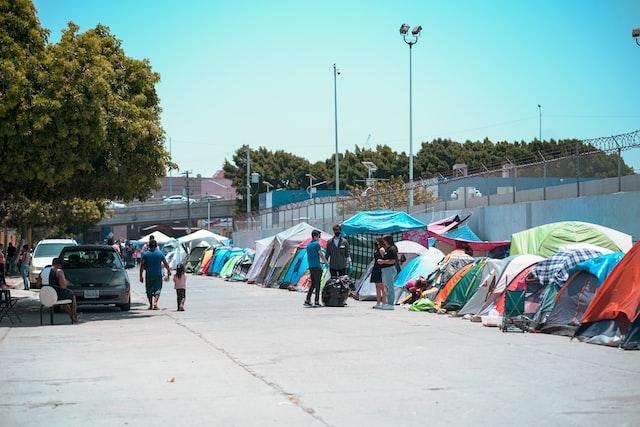
Pope Leo XIV opens his message by painting a sobering picture of global challenges, citing “frightening scenarios” driven by an arms race, nuclear proliferation, climate change, and deep economic disparities. These crises, he notes, have uprooted millions, compelling them to flee persecution, violence, and instability. He warns against the “widespread tendency” to prioritize narrow, localized interests, which undermines global solidarity and the pursuit of the common good.
Quoting the Book of Zechariah, the Pope emphasizes that a future rooted in peace and respect for human dignity is central to God’s plan for humanity. “It is important there be a growing desire in people’s hearts for a future of peace and of respect for the dignity of all,” he writes, framing this aspiration as a divine promise Christians are called to uphold.
Migrants as Messengers of Hope
Central to the Pope’s message is the portrayal of migrants and refugees as “privileged witnesses of hope.” Their resilience in the face of adversity—whether navigating perilous migration routes or enduring war and injustice—embodies a faith that transcends visible hardships. “Their courage and tenacity bear heroic testimony to a faith that sees beyond what our eyes can see,” Pope Leo writes, likening their journey to that of the biblical Israelites.
He highlights that the pursuit of happiness, a universal aspiration placed in every heart by God, drives migrants and refugees to seek better futures. Their stories, marked by trust in divine providence, serve as a powerful testament to hope and integral human development.
The Role of Welcoming Communities
The Pope also calls on communities that receive migrants to reflect hope through acts of inclusion. By recognizing migrants and refugees as “brothers and sisters” within the human family, these communities affirm the dignity of all as children of God. Such hospitality, he argues, fosters environments where migrants can contribute their talents and thrive, creating a shared future grounded in mutual respect.
A Spiritual Mission for the Church
Spiritually, Pope Leo XIV sees migrants and refugees as reminders of the Church’s “pilgrim dimension,” urging Catholics to resist complacency and embody a faith that journeys toward a heavenly homeland. He views Catholic migrants as “missionaries of hope,” capable of revitalizing ecclesial communities that risk becoming “rigid and weighed down” by spiritual stagnation.
Through their enthusiasm, these migrants can forge new paths of faith, initiate interreligious dialogue, and share the message of Jesus Christ in regions where it is less known. The Pope calls for robust inter-ecclesial cooperation to support this “missio migrantium,” ensuring migrants receive preparation and ongoing support to fulfill their mission.
A Divine Blessing
Concluding his message, Pope Leo XIV describes the presence of migrants and refugees as a “true divine blessing” for the Church. Their vitality offers an opportunity to renew faith communities, countering spiritual desertification with fresh energy and hope. As the world prepares to mark the 111th World Day of Migrants and Refugees, the Pope’s words challenge both the faithful and global society to embrace migrants not as burdens, but as bearers of hope and agents of divine grace.
- Raju Hasmukh with files from Vatican News
Related Images: