

















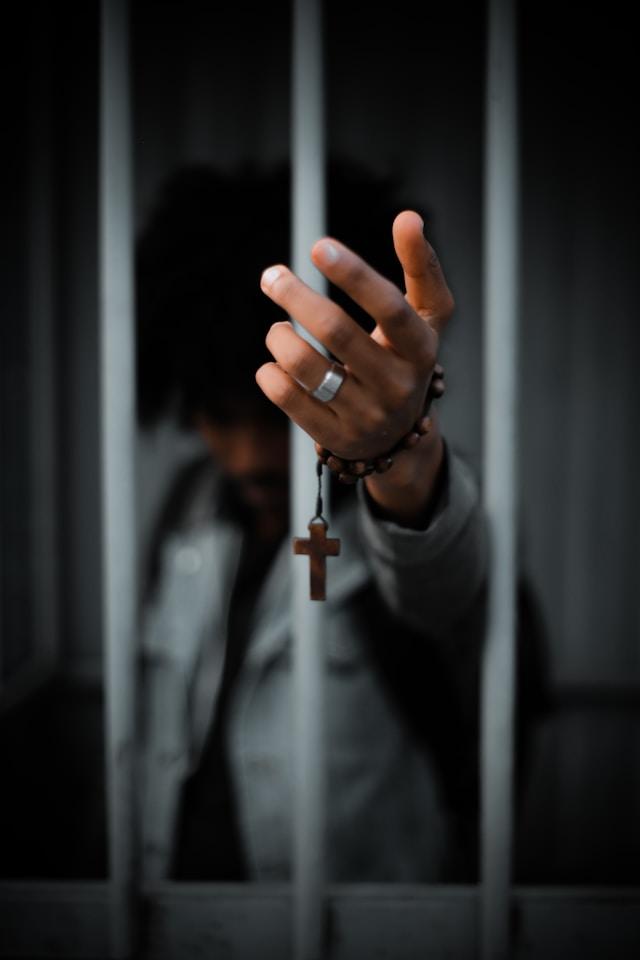
Pope Leo XIV’s homily at the Jubilee of Prisoners emphasizes hope, redemption, and the need for prison reforms, urging mercy and reintegration.
Newsroom (14/12/2025 Gaudium Press ) In a poignant address delivered amid the grandeur of St. Peter’s Basilica on the Third Sunday of Advent, Pope Leo XIV presided over the Holy Mass for the Jubilee of Prisoners, marking a special observance dedicated to correctional institutions, inmates, and those who work within the penitentiary system.
The pontiff chose Gaudete Sunday — known as the Sunday of joy in the liturgical calendar, drawing from the entrance antiphon’s call to “rejoice” (Philippians 4:4) — to underscore the theme of hopeful anticipation. This day, he explained, evokes “the bright aspect of waiting: the confidence that something beautiful, something joyful will happen.”
Reflecting on the nearing conclusion of the Jubilee Year, Pope Leo XIV invoked the words of his predecessor, Pope Francis, who last year opened a Holy Door at a prison in Rebibbia, Italy. There, Francis urged prisoners to hold “the rope in hand, with the anchor of hope” and to “open wide the doors of your heart,” an image rooted in Hebrews 6:17-20 that points toward eternal hope while calling for practical justice and charity in daily life.
The Pope acknowledged persistent challenges in prison systems worldwide, noting that “despite the efforts of many, even in the penitentiary system there is much that still needs to be done.” Drawing from the day’s reading in Isaiah 35:10 — “the ransomed of the Lord shall return, and come to Zion with singing” — he emphasized God’s role as redeemer and liberator, while framing this as a shared mission. Prison, he said, remains a “difficult place” where even well-intentioned initiatives face obstacles, yet he insisted on perseverance: “We must never tire, be discouraged or give up. We must keep moving forward with tenacity, courage and a spirit of collaboration.”
Central to his message was the conviction that no person is defined solely by their actions. “For every fall one must be able to get back up,” he declared, describing true justice as “a process of reparation and reconciliation.” In environments marked by sin and suffering, preserving “the beauty of feelings, sensitivity, attention to the needs of others, respect, the capacity for mercy and forgiveness” allows “beautiful flowers” to bloom from “hard ground.” Such humanity, he noted, flourishes through gestures and projects even behind prison walls, requiring inner work not only from inmates but especially from those responsible for their care and fair treatment.
The Jubilee, as a call to conversion, emerges as a profound source of hope and joy. Pope Leo XIV directed attention to Jesus’ ministry, where “the blind receive their sight, the lame walk… and the poor have good news preached to them” (Matthew 11:5). These miracles, he observed, are often realized through human compassion, wisdom, and institutional responsibility rather than divine intervention alone.
Echoing Saint Paul VI’s vision from the 1975 Jubilee — a “civilization of love” rooted in charity, especially in public life — the Pope reiterated Pope Francis’ hope for amnesties, pardons, and genuine reintegration opportunities during this Jubilee, as outlined in the bull Spes Non Confundit. Rooted in the biblical Jubilee of Leviticus 25:8-10, this year offers grace and fresh starts for all.
Turning to the Gospel account of John the Baptist, the pontiff portrayed the prophet as upright and frank — no “reed shaken by the wind” (Matthew 11:7) — yet merciful toward those striving for change. Referencing Saint Augustine’s commentary on the woman caught in adultery (John 8:1-11), he noted that when accusers depart, “only the poor woman and mercy remained,” with Jesus instructing her to “go and sin no more.”
Addressing prisoners and prison workers directly, Pope Leo XIV described their shared task as arduous, citing issues like overcrowding, inadequate rehabilitation programs, and limited job opportunities. On a personal level, he acknowledged the burdens of past wounds, disappointments, and the patience required for conversion. Yet, he stressed God’s desire that “no one be lost” (John 6:39) and all “be saved” (1 Timothy 2:4).
“Let no one be lost! Let all be saved!” he proclaimed, framing this as the essence of God’s Kingdom. As Christmas nears, the faithful are called to embrace this divine dream with steadfast commitment, assured that “the Lord is near” (Philippians 4:5) and walks alongside them, ensuring that “something beautiful and joyful will always happen.”
- Raju Hasmukh with files from Vatican News
Related Images: