


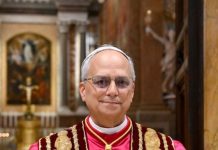









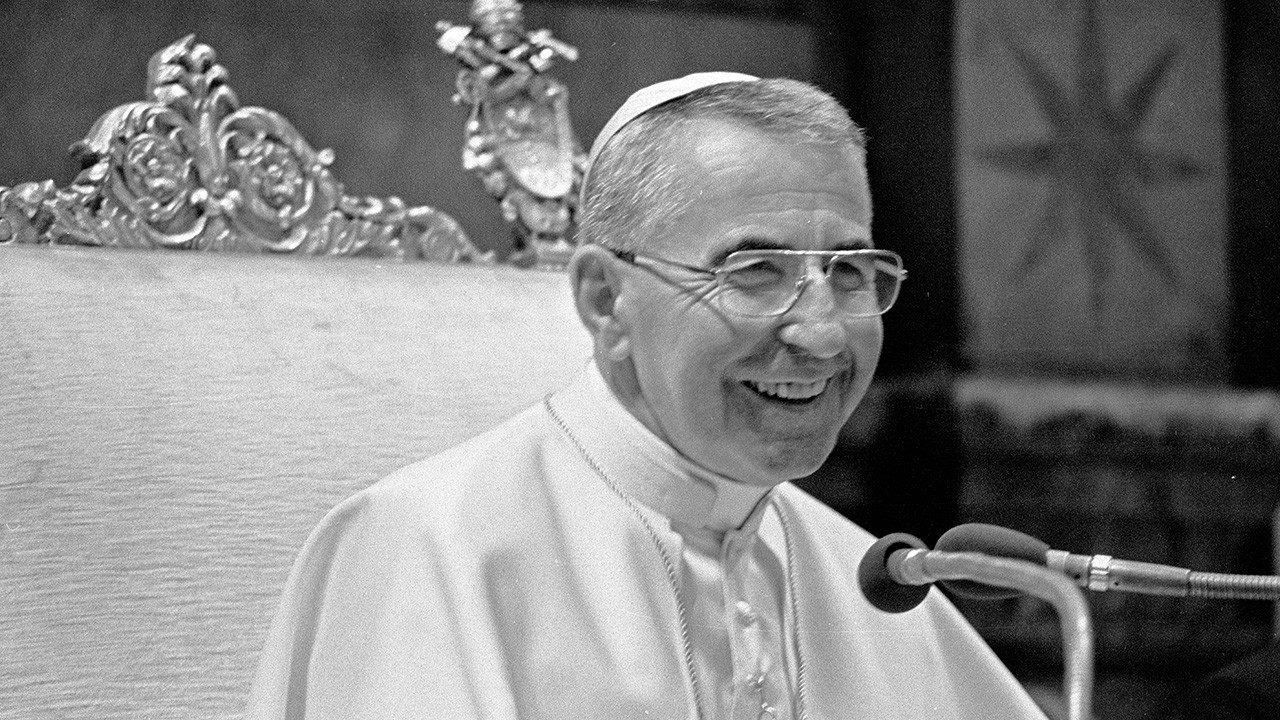
Pope John Paul I, a pontiff whose brief 34-day reign left an indelible mark through his profound commitment to virtue, particularly prudence
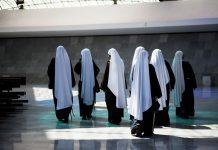
Newsroom (27/09/2025, Gaudium Press ) On September 28, 1978, the world awoke to the sudden loss of Pope John Paul I, a pontiff whose brief 34-day reign left an indelible mark through his profound commitment to virtue, particularly prudence—the cardinal virtue he held dear until his final moments. Found in his room by two nuns, the pope lay as if he had fallen asleep while reading, clutching pages from a 1964 treatise, Reflections on Christian Prudence, penned during his time as a bishop for the Vittorio Veneto diocesan bulletin. These pages, part of his personal notes, were to form the basis of his next general audience, a continuation of his mission to illuminate the “Seven Lamps of Christian Life”—the theological virtues of faith, hope, and charity, preceded by humility, and the cardinal virtues of prudence, justice, fortitude, and temperance.
John Paul I’s focus on prudence was no fleeting interest. It was a cornerstone of his teachings, rooted in a lifetime of reflection, including a 1975 lecture, Elogio della prudenza, which earned him an honorary doctorate from Brazil’s Federal University of Santa Maria. His writings, preserved in the Albino Luciani Private Archive (APAL) and published in the 2022 volume Il Magistero: Testi e documenti del Pontificato by the Vatican Foundation Giovanni Paolo I, reveal a man who saw prudence as the “charioteer of virtues,” as Plato described it. For Luciani, prudence was not merely caution but a dynamic force, a “motor” as St. Thomas Aquinas called it, driving noble action while eschewing inertia or cowardice.
The Anatomy of Prudence
In his Reflections on Christian Prudence, Luciani portrayed prudence as a collaborative virtue, supported by a “retinue of good and capable daughters”: docility, sagacity, method, foresight, circumspection, precaution, and constancy. Quoting Cicero, he called it a “science of things to pursue and avoid,” an ars vivendi—a practical art requiring the prudent to adapt principles to life’s complexities. Unlike the “saints of prudence” who shirk responsibility to avoid trouble, Luciani’s prudence demanded bold, decisive action when necessary, rejecting blind zeal or reckless audacity. In his celebrated Illustrissimi, a collection of imaginary letters, he even crafted a dialogue with St. Bernard of Clairvaux, using timeless wisdom to address contemporary challenges with a literary flourish.
This vision of prudence as a vibrant, action-oriented virtue shaped Luciani’s brief papacy. His notes, meticulously transcribed from his personal agenda and block notes, reveal a pontiff intent on guiding the Church with clarity and purpose, using the “Seven Lamps” as his roadmap. His general audience on September 13, 1978, had already addressed faith, echoing Pope John XXIII’s Journal of a Soul and its call for sanctification through these virtues.
A Prudent Voice for Peace
John Paul I’s commitment to prudence extended beyond theology into the realm of global diplomacy. On September 21, 1978, he wrote to U.S. President Jimmy Carter, commending the progress made at the Camp David summit (September 15-17, 1978) toward a Middle East peace plan and an Egypt-Israel treaty. The letter, preserved in confidential U.S. State Department notes, underscored Luciani’s active support for peace efforts. Carter, in a message dated September 17, acknowledged the pope’s prayers for the summit, noting they provided “great inspiration.” This exchange, detailed in a September 18 U.S. State Department memo to its Rome embassy, highlighted John Paul I’s quiet but resolute role in fostering dialogue.
His vision for peace was articulated in his August 27, 1978, Urbi et Orbi address from the Sistine Chapel, where he outlined six programmatic goals for his pontificate. The final goal, still resonant today, called for fostering “all good and praiseworthy initiatives” to promote peace in a troubled world. He urged collaboration among the “just, good, honest, and upright of heart” to curb violence, promote mutual understanding, eradicate hunger and ignorance, and uplift less privileged nations rich in potential.
A Lasting Legacy
John Paul I’s sudden death cut short his ambitious plans, but his emphasis on prudence and peace endures. The Vatican Foundation Giovanni Paolo I, in collaboration with the Pontifical Committee for Historical Sciences, will host a two-day conference in 2026 at the Pontifical Gregorian University to explore his final programmatic goal of peace. His writings, particularly his reflections on prudence, remain a beacon for those navigating the complexities of leadership and faith. In clutching those pages on his final night, John Paul I left a poignant reminder: prudence is not passivity but a courageous, deliberate force for good, guiding the Church and the world toward a brighter future.
- Raju Hasmukh with files from Vatican News
Related Images: