











Jerusalem’s Latin Patriarch details civilian suffering in Gaza and calls for an imminent end to violence: “Palestinians’ plight has stirred consciences on dignity and rights, yet little has changed in Gaza”
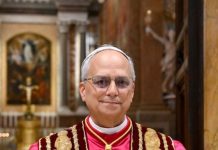
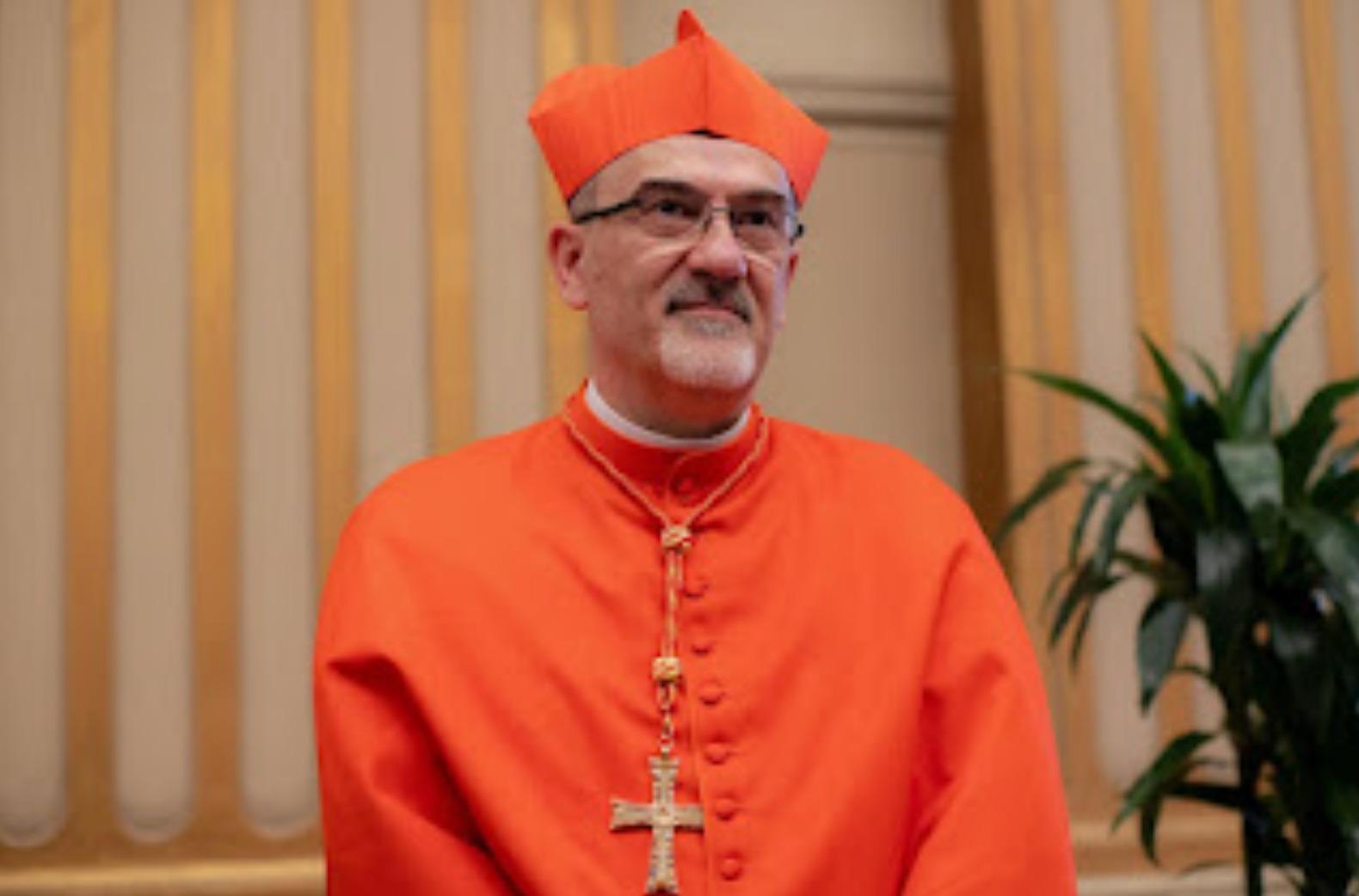
Newsroom (03/10/2025, Gaudium Press ) Cardinal Pierbattista Pizzaballa, the Latin Patriarch of Jerusalem, expressed profound relief over the safety of the Global Sumud Flotilla’s crew, crediting the mission with reigniting global awareness of Gaza’s dire humanitarian crisis. In an interview with Mario Calabresi, director of Chora Media, Pizzaballa emphasized that despite well-intentioned efforts, the daily realities for Palestinians in the Strip remain unaltered.
Awakening Consciences
“I get the sense,” the cardinal said, “that Gaza’s tragedy has unearthed a latent awareness of dignity in the collective conscience. It’s surfaced now, sparking indignation too. There’s so much engagement, and that’s a positive development.”
Yet, he added, the images emerging from the enclave only partially capture the on-the-ground devastation. “Over 80% of infrastructure lies in ruins,” Pizzaballa explained. “Hundreds of thousands have been displaced—some up to seven times in the past two years, entire families in tow.” Life itself has been upended, with the near-total collapse of hospitals leaving not just the wounded and amputees without care, but also those reliant on routine treatments, such as dialysis patients and cancer sufferers.
Staying with the Most Vulnerable
“For the youngest, this marks the third year without school,” the patriarch continued. “It’s hard to speak of hope without education.” Hunger compounds the crisis: “Real hunger. No fruits, vegetables, or meat—meaning no vitamins or proteins. It’s a total disaster, and the borders are hermetically sealed.”
This ordeal is acutely felt by Gaza’s 500-member parish community—comprising the ill, disabled, elderly, priests, and nuns—who cannot flee. “They simply couldn’t survive the journey,” Pizzaballa said. “And if they stay, so do our clergy and the rest of the community. It’s not a political choice. But I admire this church’s resolve to remain as a beacon of active, peaceful presence without fear.”
What Is Happening Is Unjustifiable
For Jerusalem’s Latin Patriarch, the situation is “unacceptable and unjustifiable.” While a response to the October 7 attacks was anticipated, “what’s unfolding now isn’t defensible—it’s morally unacceptable,” he said. “It especially targets civilians: this relentlessness, the inhumanity—the starvation, the instability, the endless displacements, the wholesale destruction.”
International outcry over the Strip’s blatant devastation has rekindled focus on human dignity and rights. Still, Pizzaballa cautioned, the journey to peace stretches far ahead.
The War Will End, But Peace Will Wait
As the interview unfolded, Pizzaballa noted the anticipation surrounding Hamas’s response to the so-called Trump plan. “It has its flaws, no doubt—no plan is ever perfect,” he observed. “But it’s time. Everyone’s exhausted, drained by this war. Beyond that, it’s clear we’re nearing an end. I hope it’s immediate, with Hamas’s assent. The final stages are evident. The real question is what comes next. But ending the war won’t equate to peace. Peace is a weighty word. The conflict will linger, first because its root causes remain unaddressed, and then because the hatred, contempt, and resentment sown in both Israeli and Palestinian societies will echo for years.”
The Trauma of October 7
The Hamas assault on October 7 and the hostage crisis inflicted a “deep trauma” on Israeli society, the cardinal reflected. “Israel was born as the Jewish homeland, a place of safety above all,” he said. “October 7 was a profound shock—the first mass slaughter since the Holocaust and Shoah, making Israelis feel their sanctuary is no longer secure. That’s a grave wound.”
Leadership Needed to Foster Coexistence
Discussing coexistence between the two peoples feels premature now, Pizzaballa said—it wouldn’t resonate. A protracted process must first acknowledge mutual faults and lay the groundwork for forgiveness. “That said,” he clarified, “plenty of people are quietly building toward peace. They’re vital, because reconstruction will demand voices brave enough to think differently, against the tide. It’s possible, but we need leadership, vision—someone bold enough to channel this longing.”
- Raju Hasmukh with files from Vatican News
Related Images: