



















Ten years after the 2015 Paris attacks, church bells ring and Archbishop Ulrich urges remembrance, compassion, and peace in a city scarred by tragedy.
Newsroom (13/11/2025 Gaudium Press ) Ten years ago, on November 13, 2015, Paris was convulsed by a series of coordinated terrorist attacks that claimed 130 lives and left hundreds wounded, marking the deadliest assault on French soil since World War II. Tonight, the city pauses to honor the victims as church bells across the capital toll in unison, a somber reminder of the tragedy that struck the heart of France. Masses, vigils, and a “night of adoration” will accompany this moment of collective remembrance, as Parisians reflect on a decade of grief, resilience, and hope.
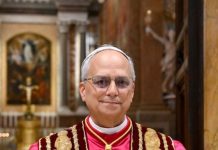
Archbishop Laurent Ulrich of Paris, in a poignant message to the city, called for prayer and reflection to commemorate the lives lost in the Islamist attacks perpetrated by a Daesh-linked commando. The assaults targeted multiple locations, including bustling cafés in the 10th and 11th arrondissements, the Stade de France in Saint-Denis, and, most devastatingly, the Bataclan theater, where 130 people were killed and over 400 injured, 99 of them critically. The attacks, the second deadliest in Europe since the 2004 Madrid bombings, plunged France into mourning and shocked the world with their brutality.
“For many of us, the memory of November 13, 2015, remains that of a long night of anguish, of our shock at the most gratuitous and senseless violence, of our horror at the intensity of the evil,” Archbishop Ulrich wrote. Yet, in the face of such darkness, he urged Parisians to recall the “glimmers of fraternity” that emerged amid the chaos. “Our faith compels us not to forget how, in the midst of this darkness, glimmers of fraternity, love, mutual support, and hope shone that night,” he said, citing the countless acts of courage and compassion that defined the city’s response.
The archbishop highlighted the selflessness of healthcare workers, the bravery of police officers, and the spontaneous acts of kindness from ordinary citizens who opened their doors to strangers seeking safety. “How many hands were extended, how much care was given, how many doors were opened to offer safe haven, how many prayers were offered,” he reflected. For Ulrich, these acts were not merely human responses but a divine presence in the face of barbarity. “We Christians believe that on that night, God was truly present,” he wrote, describing these gestures as “the strongest defense” against the abyss of violence.
The Catholic Church of Paris, under Ulrich’s leadership, has pledged its prayers for the victims, their families, and the survivors, many of whom continue to bear profound physical and psychological scars. “We assure you of our prayers for those who survived that night and who remain wounded, scarred in their body, mind, and soul, to the point that life itself has become, for some, a heavy burden to bear,” the archbishop said, acknowledging the enduring toll of the tragedy.
Beyond remembrance, Ulrich’s message carried a forward-looking call to action, urging Parisians to pray for their city and country and to embrace the role of peacemakers. Quoting a timeless principle, he wrote, “We must never despair of peace if we build justice.” His words resonate in a nation still grappling with the social and political reverberations of the 2015 attacks, which exposed vulnerabilities to extremism and sparked debates over security, integration, and national identity.
Tonight’s observances, marked by the unified ringing of church bells, symbolize both mourning and resilience. The ceremonies will include Masses and vigils across Paris, with a special “night of adoration” inviting the faithful to reflect on the themes of hope and solidarity. For many, the events offer a moment to honor not only those lost but also the spirit of unity that emerged in the aftermath, as Parisians rallied under the motto “Fluctuat nec mergitur” — “She is tossed by the waves but does not sink.”
As France commemorates this grim milestone, Archbishop Ulrich’s message serves as both a balm and a challenge: to remember the pain, to celebrate the compassion, and to strive for a future rooted in justice and peace. In the abyss of darkness, he reminds us, the glimmers of fraternity still shine.
- Raju Hasmukh with files from Tribune Chretienne
Related Images: