



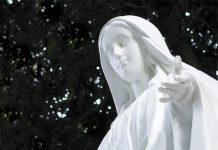


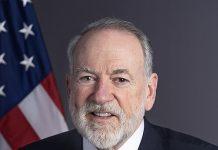



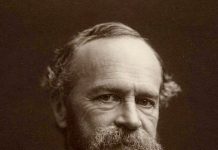


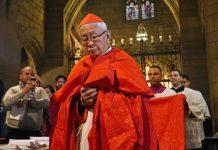
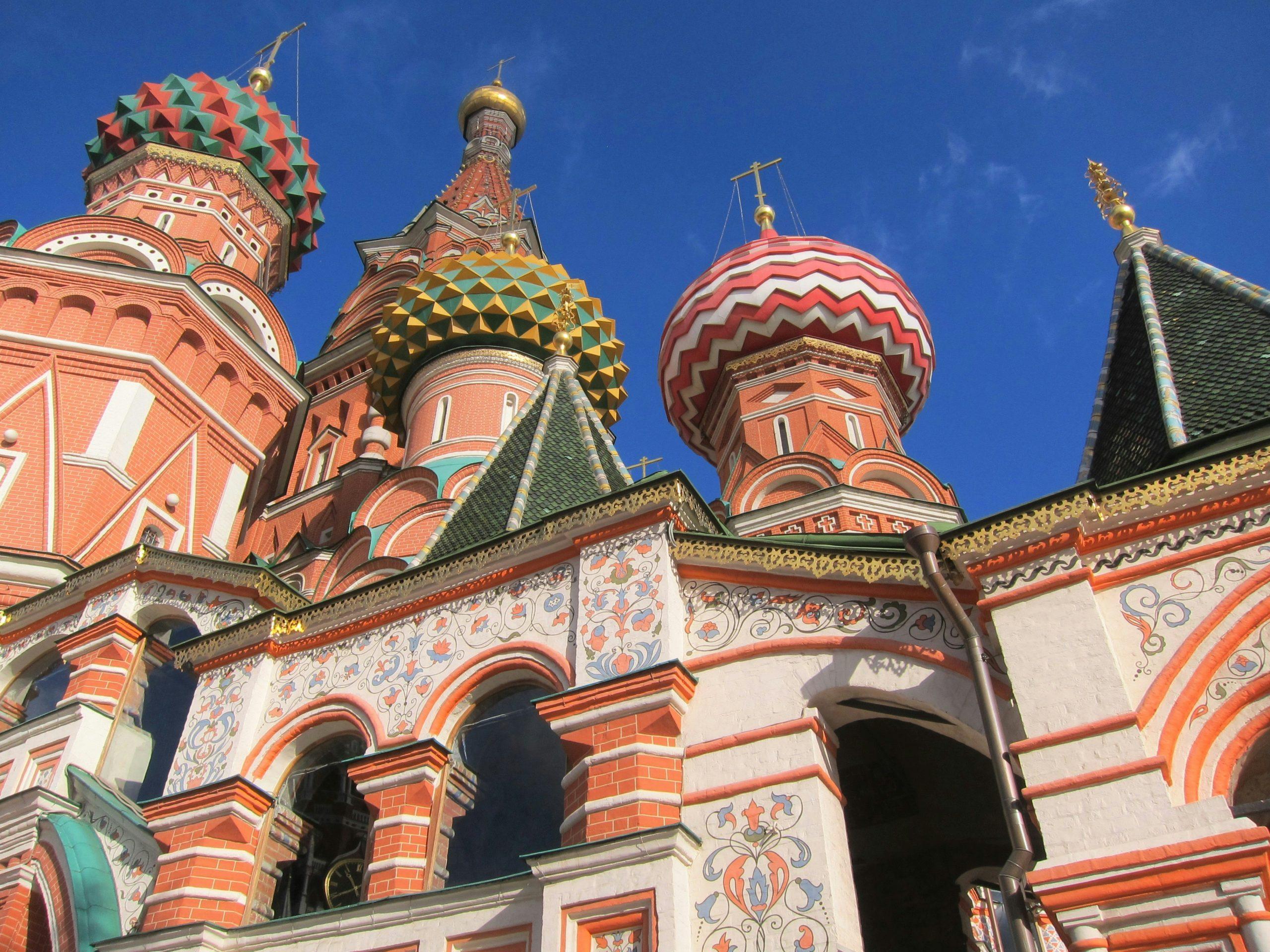
Moscow along with Eastern Orthodox and Latin Rite Church recently commemorated the 1,700th anniversary of the First Ecumenical Council of Nicaea (AD 325)
Newsroom (07/06/2025 09:10 , Gaudium Press) Moscow recently commemorated the 1,700th anniversary of the First Ecumenical Council of Nicaea (AD 325), a pivotal event where the foundational Nicene Creed was drafted, shaping Christian doctrine across confessions. Coinciding with this milestone, a phone call between Russian President Vladimir Putin and Pope Leo XIV sparked renewed hope for dialogue between the Roman Catholic Church and the Russian Orthodox Church, echoing the historical interplay of faith and power seen in the 4th century.
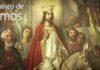
The Council of Nicaea, convened by Emperor Constantine, aimed to unify Christian doctrine and counter the Arian heresy, which sought to rationalize the divine mystery. Patriarch Kirill of Moscow, presiding over the anniversary celebrations on June 1, 2025 (May 20 per the Gregorian calendar), emphasized the council’s enduring clarity, quoting Russian historian Vasily Bolotov: “The symbol of Nicaea was so precise that it was impossible to interpret it in any other way – one could only accept it or reject it.” Kirill framed the council’s legacy as a call for modern churches to address contemporary challenges through “communal reason” and “fraternal dialogue,” drawing on the apostolic tradition to navigate today’s complex religious landscape.
Unlike the Catholic Church’s Jubilee of Hope, which follows Latin traditions, Orthodox Churches, rooted in Byzantine heritage, do not typically align with such celebrations. However, the 1,700th anniversary of Nicaea unites all Christians, as the Nicene-Constantinopolitan Creed remains a shared cornerstone. The Moscow Patriarchate, identifying as a “Nicene-Constantinopolitan” Church, traces its lineage to the Byzantine evangelization of Rus’ in the first millennium, despite its formation centuries after Nicaea (AD 988). Ancient chronicles highlight Rus’ embrace of Byzantine rites for their “great beauty,” a choice cemented after Prince Vladimir’s “investigation of faiths.”
Historical tensions, notably over the Filioque clause added by the Latin Church, have long strained East-West relations. The Filioque, asserting the Holy Spirit’s procession from both Father and Son, was seen in the East as a Latin overreach, particularly during the time of Patriarch Photius in the 9th century. Early Rus’ Christians, distant from these theological disputes, often misunderstood Latin practices, with chronicles citing vague accusations of “satanic rites.” Yet, shared reverence for figures like Saint Nicholas, whose relics were controversially transferred to Bari in the 11th century, underscores a common faith, celebrated in Russia as “Spring Nicholas” on May 8/21.
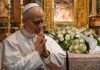
Kirill’s anniversary remarks were notable not only for their theological reflection but also for their openness to ecumenical dialogue, a shift from Moscow’s often insular stance. Three days later, on June 4, 2025, Putin’s conversation with Pope Leo XIV reinforced this tone. The Kremlin reported that Putin conveyed Kirill’s good wishes to the newly elected pope, expressing hope for continued Catholic-Orthodox engagement. Pope Leo reciprocated, emphasizing “shared Christian values” as a foundation for peace and religious freedom, according to Vatican spokesman Matteo Bruni.
The call also touched on geopolitical tensions, with Putin raising concerns about alleged violations of religious freedom for the Ukrainian Orthodox Church (UOC) aligned with Moscow, which recently reaffirmed its ties to the Moscow Patriarchate amid Kyiv’s efforts to curb its influence. Pope Leo urged Putin to make a “gesture for peace,” specifically regarding prisoner releases, signaling the Vatican’s interest in mediating the Russia-Ukraine conflict. Kremlin spokesman Dmitry Peskov noted this was the first direct contact between Putin and the pope, framing it as a step toward addressing the conflict, distinct from prior humanitarian efforts.
This dialogue recalls the 4th century, when bishops, post-persecution, challenged emperors with a truth beyond earthly dominion. Today, as then, the Churches of Rome, Moscow, and Constantinople face the task of fostering peace amid political strife. Patriarch Kirill’s message, relayed through Putin, expressed hope that Catholic-Orthodox relations could “bear witness together to faith in Christ” and reflect the “everlasting beauty” of divine commandments. Whether this marks a genuine turning point or a strategic maneuver, the anniversary and subsequent dialogue highlight the enduring relevance of Nicaea’s legacy in navigating faith, power, and reconciliation.
Raju Hasmukh with files from
Moscow Patriarchate Press Release, June 1, 2025.
Kremlin Press Office Statement, June 4, 2025.
Vatican Press Office, Statement by Matteo Bruni, June 4, 2025.
Bolotov, V. (1890). Lectures on the History of the Ancient Church.
Florensky, P. (1914). The Pillar and Ground of the Truth.
Related Images: