



















Jordan marks Nostra Aetate’s 60th with interfaith symposium in Madaba. Cardinal Pizzaballa, Imam Al-Khalayleh hail dialogue as vital for Mideast peace.
Newsroom (22/10/2025, Gaudium Press ) Religious leaders from Christian and Muslim communities gathered Monday for a symposium marking the 60th anniversary of the Vatican II document Nostra Aetate, hailing Jordan’s pioneering role in interfaith dialogue amid escalating regional conflicts.
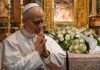
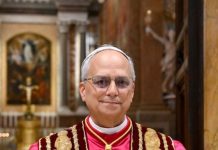
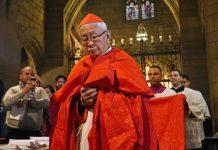
Organized by the Catholic Center for Studies and Media (CCSM) in partnership with the American University of Madaba (AUM), the October 20 event drew Latin Patriarch of Jerusalem Pierbattista Pizzaballa, Imam of the Hashemite Royal Court Ahmad Al-Khalayleh, Madaba Governor Hassan Al-Jbour, bishops, Islamic clerics, and AUM students.
Promulgated in 1965, Nostra Aetate revolutionized Catholic-Muslim relations by rejecting antisemitism, affirming shared spiritual heritage, and calling for mutual respect among religions – principles that have since shaped global interfaith efforts.
Pizzaballa: Dialogue as ‘Vital Necessity’ for Peace
In his keynote, Cardinal Pizzaballa thanked organizers and underscored the document’s enduring impact. “It opened a new chapter in Muslim-Christian relations based on mutual respect and faith in the one God,” he said, noting its practical embodiment in Jordan under King Abdullah II.
The patriarch highlighted Jordan-led initiatives including the 2004 Amman Message, the 2007 “A Common Word” open letter, World Interfaith Harmony Week, and the kingdom’s custodianship of Jerusalem’s holy sites. He described interreligious dialogue as a “pilgrimage towards hope and trust-building,” essential amid divisions like the Gaza war.
“Peace in the Middle East begins with genuine dialogue among religions,” Pizzaballa asserted. “Christian communities are integral to this land; our relationships are vital for the future and confronting global challenges.”
Leaders Call for Future-Oriented Dialogue
CCSM Director Fr. Rif’at Bader emphasized forward momentum: “Jordan has pioneered Muslim-Christian cooperation since the 1980s, fostering common living and religious diversity.” He hoped the annual event would inspire youth to sustain Jordan’s “success stories” in peace and harmony.
AUM President Prof. Mamoun Akroush praised the Church as an “oasis of peace,” welcoming all through shared moral values. Hosting in Madaba, he said, reflects the university’s commitment to bridge-building amid global challenges.
Imam Al-Khalayleh framed faith as respect for diversity: “God created humankind in diversity, so we may know one another.” He lauded Jordan’s refugee welcome – including from Mosul – and advocacy for Jerusalem, urging communication “in word and deed” rooted in human need for the Creator.
The symposium signals Jordan’s continued leadership in interfaith harmony, offering a model as Middle East tensions persist.
- Raju Hasmukh with files from Vatican News
Related Images: