













For the country’s Armenian and Assyrian communities, the metro station symbolizes rare official recognition of their ancient faith
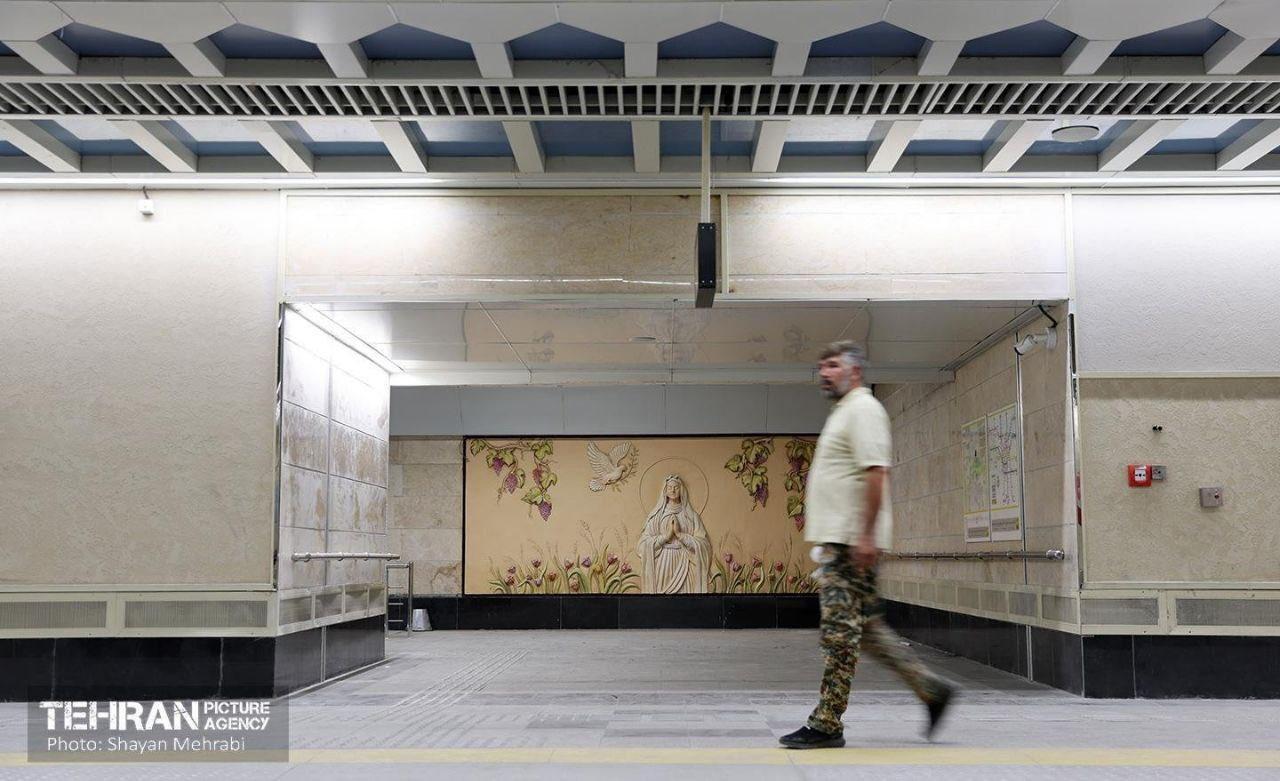
Newsroom (17/10/2025, Gaudium Press ) Tehran unveiled the Holy Virgin Mary Station, a gleaming nod to Iran’s Christian heritage nestled in the capital’s sixth district near Saint Sarkis Cathedral. For the country’s Armenian and Assyrian communities, the metro station symbolizes rare official recognition of their ancient faith. Yet, this gesture of cultural acknowledgment stands in stark contrast to a grim reality: a January 2025 report by human rights organizations, including Article 18, Open Doors, Christian Solidarity Worldwide, and Middle East Concern, reveals a dramatic escalation in the persecution of Christians, with 96 convictions in 2024 alone—four times the previous year’s total.
The Saint Virgin Mary Station, located steps from the Armenian Christian heart of Tehran, is a milestone for a community whose roots trace back to the 2nd century. Saint Sarkis Cathedral, built between 1964 and 1970 through the patronage of the Sarkissian brothers and restored in 2006, embodies the resilience of Armenian Christianity. Inside, a portrait of Ayatollah Khomeini hangs alongside Armenian icons—a delicate balancing act of coexistence. But beyond these symbols, Iran’s Christians face relentless surveillance, arrests, and imprisonment for practicing their faith.
A Faith Forged in History
Iranian Christianity, one of the oldest in the Near East, emerged in a Zoroastrian Persian context, shaped by exchanges with Mesopotamia and Syria. Tradition credits the Apostle Thomas and his disciples with founding the Persian Church. Over centuries, conflicts between Rome, Parthians, Byzantines, and Sassanids pushed Christian communities deeper into Persia, where they established enduring enclaves. Often persecuted, these Christians distanced themselves from Roman Christianity, aligning with Nestorianism and Monophysitism to affirm loyalty to Persian rulers.
Today, Iran’s Christian population, primarily Armenian and Assyrian, numbers around 200,000, concentrated in Tehran and Isfahan’s historic New Julfa district. Armenians, the largest Christian group, have been integral to Persia’s cultural and economic fabric since Shah Abbas I resettled them in the 17th century. Their artisans and merchants introduced Persia’s first printing press in 1641, fostering ties with the West. The smaller Assyro-Chaldean community, affiliated with the Apostolic Church of the East, numbers 15,000 to 20,000, alongside pockets of Catholics, Anglicans, and Protestants.
Under the Pahlavi monarchy (1941-1979), Christians enjoyed relative freedom, but the 1979 Islamic Revolution shifted the landscape. Nearly 50,000 Armenians emigrated, leaving an aging and impoverished community of 150,000 to 200,000. The 1979 Constitution recognizes Christians as “People of the Book,” granting theoretical freedom of worship and three parliamentary seats—two for Armenians, one for Assyro-Chaldeans. In practice, Christians are barred from most public sector roles, subjected to mandatory hijab laws, alcohol bans, and strict oversight of religious activities. Christian schools, once autonomous, now operate under government control, with Persian as the mandatory language of instruction and Muslim students required in classrooms.
A Surge in Persecution
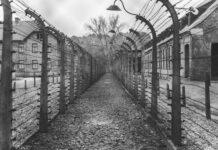
The situation for Christian converts from Islam is particularly dire. The January 2025 report documents a sixfold increase in prison sentences for Christians, totaling 263 years in 2024 compared to 43 the previous year. Fines, forced exile, and civil rights restrictions accompany these penalties. Converts, who make up 90% of those sentenced, face charges like “propaganda against national security” for practicing their faith. The case of Laleh Saati, arrested in February 2024 and sentenced to two years in prison by Judge Iman Afshari for refusing to renounce her conversion, underscores the severity of this crackdown. Many arrests go undocumented, suggesting the true scale of repression is even greater.
A Resilient Faith
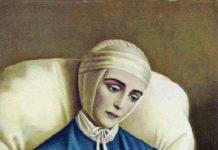
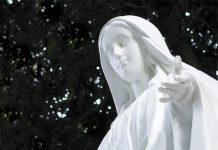
The inauguration of the Holy Virgin Mary Station highlights Iran’s paradoxical relationship with Christianity: celebrated as cultural heritage, yet suppressed as a living faith. While Tehran erects monuments to Christian history, converts and worshippers face imprisonment and fear. Still, the churches of Tehran and Isfahan brim with silent devotion during liturgical feasts, a testament to a faith that endures despite hostility. Like the station bearing her name, the Virgin Mary stands as a symbol of Iranian Christianity—rooted, discreet, persecuted, but unbroken. In a land where faith is both honored and hunted, its survival is a quiet miracle.
🇮🇷 Iran opening Holy Virgin Mary (Maryam-e Moghaddas) metro station in Tehran
Located next to an Armenian Christian church, it’s full of Christian imagery
Built in honor of Iran’s Armenian Christian community pic.twitter.com/5RcZF3oQYZ
— Sprinter Press News (@SprinterPress) October 16, 2025
- Raju Hasmukh with files from Tribune Chretienne
Related Images: