Vatican permanently gifts 62 sacred Indigenous items, including rare Inuvialuit kayak, to Canada as Pope Leo XIV fulfills Francis’s wish for reconciliation.
Newsroom (09/12/2025 Gaudium Press) In a ceremony steeped in prayer, drum songs, and quiet tears, leaders from Canada’s First Nations, Inuit, and Métis communities formally accepted 62 sacred cultural items from the Vatican Museums on Tuesday, marking what the Church described as “a gift freely given” rather than simple restitution.
The artifacts — among them a century-old Western Arctic Inuit kayak believed to be one of only five remaining examples — had resided in the Vatican’s Anima Mundi ethnological collection for more than 100 years after being sent to Rome for the 1925 Vatican Missionary Exhibition.
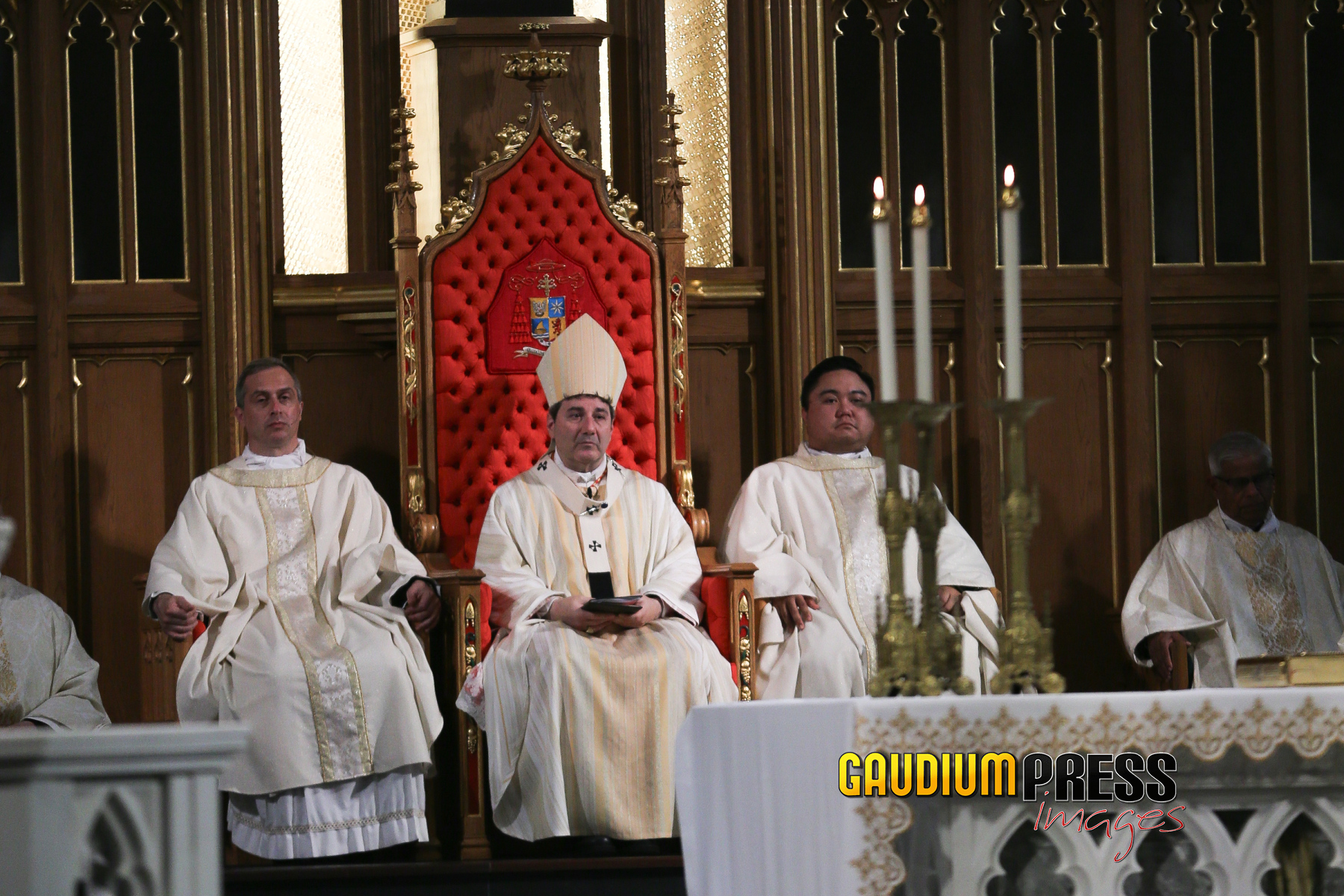
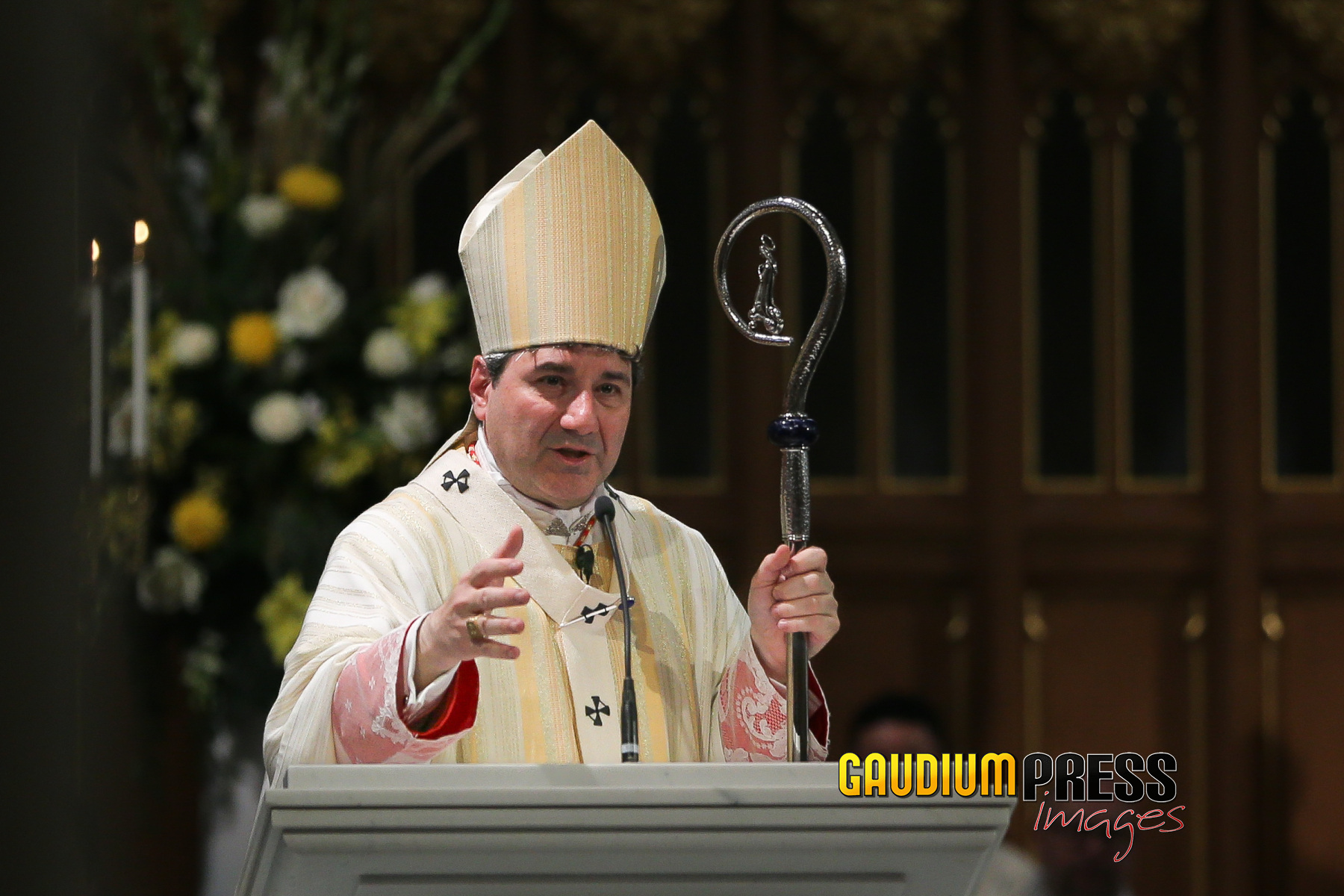
Archbishop Richard Smith, acting as a key representative of the Canadian Conference of Catholic Bishops (CCCB), told reporters the transfer represents “an act of reconciliation rooted in the grace of the Jubilee Year of Hope.”
“This gesture is a gift freely given — an act of reconciliation rooted in the grace of the Jubilee Year of Hope,” Archbishop Smith said. “A gift, unlike restitution, is offered in freedom and friendship, as a sign of renewed relationship and mutual respect between the Church and Indigenous peoples.”
The repatriation fulfills the expressed dying wish of Pope Francis, who met multiple Indigenous delegations in Rome and Canada and later directed Vatican Museums to prepare the items for return. Pope Leo XIV, completing what the Holy See called “the journey initiated by Pope Francis,” permanently transferred ownership from the Anima Mundi collection to the CCCB for immediate handover to Indigenous nations.
National Chief Cindy Woodhouse Nepinak of the Assembly of First Nations called the moment “our relatives are finally home,” emphasizing that for First Nations the objects “are not only artifacts — they are sacred, living items.”
Duane Ningaqsiq Smith, chair and CEO of the Inuvialuit Regional Corporation, described the kayak’s return as the realization of a century-long hope. “We are proud that after 100 years our kayak is returning to the Inuvialuit Settlement Region,” he said. “This is a historic step in revitalizing Inuvialuit cultural identity and values within our changing northern society.”
Natan Obed, president of Inuit Tapiriit Kanatami, acknowledged the gesture while noting the broader journey ahead. “We are at the very early stages of our reconciliation journey,” Obed said, “but we are pleased to see these cultural items return to us.”
Métis National Council President Victoria Pruden praised the “courage and persistence” of Elders and Residential School survivors whose decades-long advocacy, including a 2017 Assembly of First Nations resolution, helped bring the moment to fruition. “Reconciliation is ongoing work,” Pruden said, “grounded in relationships, responsibility, and the continued pursuit of truth, justice, healing, and dignity.”
The items will be housed temporarily at the Canadian Museum of History in Ottawa while national Indigenous organizations establish provenance and determine final destinations within their respective communities.
Tuesday’s handover in Montreal followed a November audience in Rome where Pope Leo XIV personally entrusted the collection to CCCB President Bishop Pierre Goudreault, Archbishop Smith, and conference general secretary Father Jean Vézina.
In a joint November statement, the Holy See and CCCB said the gift “marks the conclusion of the journey initiated by Pope Francis” and expressed Pope Leo’s desire that it serve as “a concrete sign of dialogue, respect, and fraternity.”
Canadian Ambassador to the Holy See Joyce Napier called the repatriation “an important and a right step,” noting recent similar Vatican gestures including the 2023 return of Parthenon marble fragments to Greece.
For the Church officials involved, the transfer carries deep symbolic weight during the closing weeks of the 2025 Jubilee Year of Hope.
“This jubilee, like previous jubilees, wants to emphasize the importance of healing relationships,” Archbishop Smith said in an earlier interview with America magazine, describing the repatriation as “a milestone in the long journey of reconciliation and healing.”
- Raju Hasmukh with files from CNA
Related Images: