















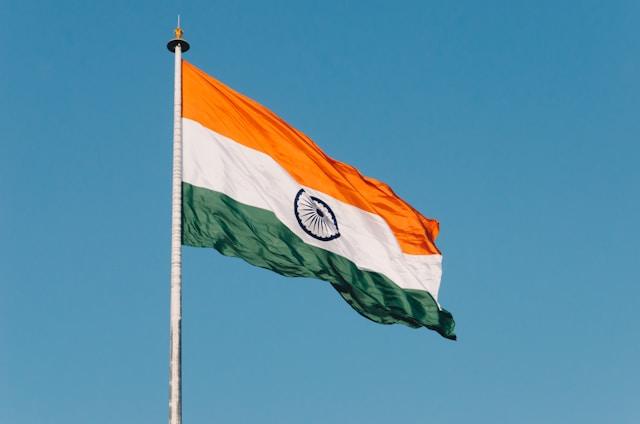
The Indian Supreme court consolidated all related anti-conversion cases pending in state high courts, scheduling a hearing for six weeks later.
Newsroom (17/09/2025, Gaudium Press ) India’s Supreme Court has issued a four-week deadline for nine state governments to respond to legal challenges against their anti-conversion laws, which critics argue violate constitutional guarantees of religious freedom. In a September 16 order, the court consolidated all related cases pending in state high courts, scheduling a hearing for six weeks later.
The decision follows urgent appeals from petitioners, including the rights group Citizens for Justice and Peace (CJP), who highlighted the escalating severity of these laws. Some states, such as Uttar Pradesh, have recently amended their legislation to impose harsher penalties, including life imprisonment for conversions deemed unlawful, particularly through interfaith marriages. Rajasthan, the latest state to enact such a law on September 9, introduced stringent provisions, including up to 20 years in prison and heavy fines.
“This is a significant step by the Supreme Court,” said Father Cedric Prakash, a Jesuit priest and Gujarat-based rights activist with CJP, the lead petitioner in the case. “Our petitions have been pending since 2020, and some states have yet to respond. These laws, often labeled as ‘Freedom of Religion’ acts, contradict the Indian Constitution’s guarantee of the right to profess, practice, and propagate one’s religion.”
The Supreme Court’s three-member bench, addressing challenges to laws in Uttar Pradesh, Himachal Pradesh, Madhya Pradesh, Uttarakhand, Gujarat, Chhattisgarh, Haryana, Jharkhand, and Karnataka, directed the states to file their replies within the stipulated period. Twelve of India’s 28 states currently enforce anti-conversion laws, which critics say disproportionately target religious minorities and interfaith unions.
Chander Uday Singh, CJP’s lawyer, urged the court to block these laws, arguing they “curtail the religious freedom of minorities and target interfaith marriages.” He cited Uttar Pradesh’s 2024 amendment, which escalated penalties for conversions through marriage to life imprisonment, as an example of overreach that renders interfaith unions “near impossible.”
While the court declined to stay the enforcement of these laws, it agreed to hear the challenges after six weeks, signaling a potential landmark ruling on the issue.
A Church leader in Uttar Pradesh, speaking anonymously due to fear of reprisal, described the laws as tools used by right-wing Hindu activists to falsely accuse Christians of forced conversions. “The charitable works of the Church, such as education and healthcare, are being misrepresented as inducements for conversion,” he said. “Unless these laws are struck down, the lives of minorities, particularly Christians and Muslims, will become increasingly untenable.”
Christians constitute 2.3 percent of India’s 1.4 billion population, while Hindus make up approximately 80 percent. The outcome of the Supreme Court’s review could significantly impact the religious and personal freedoms of minorities across the country.
- Raju Hasmukh with files from UCA News
Related Images: