












In the Czech Republic, Europe’s most atheist nation, missionaries see “miraculous touches of God” as a spiritually thirsty society seeks love and truth.
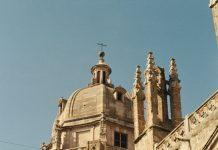
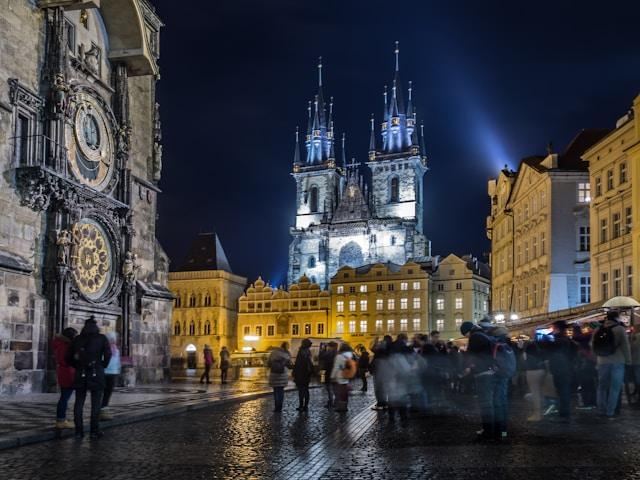
Newsroom (13/11/2025 Gaudium Press ) In the heart of Europe, the Czech Republic stands as a paradox: a land of fairytale castles and medieval spires, yet the continent’s most atheist nation. With approximately 80% of its 10.5 million inhabitants claiming no religious affiliation and nearly a quarter identifying as atheist, according to the 2017 Pew Survey on European Values, the country presents a unique challenge for evangelization. Yet, amidst this secular landscape, Czech missionaries report “miraculous touches of God’s presence,” signaling a quiet but persistent spiritual awakening in a society yearning for love and truth.
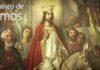
The Czech Republic’s religious detachment is deeply rooted in history. The 15th-century Protestant reformer Jan Hus and the subsequent repression of his Hussite followers by the Catholic Austro-Hungarian Empire left a lasting association between the Catholic Church and foreign imposition. Centuries later, 40 years of communist persecution after World War II inflicted “deep wounds in the local Church,” according to the pontifical foundation Aid to the Church in Need (ACN). The fall of communism in 1989 sparked a brief religious resurgence, but it was largely a political reaction rather than a genuine revival. Since then, religious affiliation has steadily declined, with only 9.4% of Czechs identifying as Catholic today.
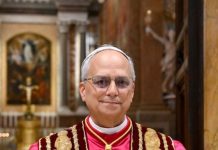
Brother Šimon Růžička, OFM, who leads Franciscan urban missions in the country, sees hope in this challenging environment. “We perceive a deep thirst for love and, therefore, for God,” he told ACI Prensa. “God touches people’s hearts, sometimes even long before they meet one of our missionaries.” For Father Daniel Vícha, vicar for pastoral care in the Diocese of Ostrava-Opava, evangelizing those unfamiliar with faith is often easier than reaching those with preconceived notions. “The majority declare themselves atheist, but 70% believe in ‘something,’” he said. “That is where we must begin.”
However, evangelizing those with some exposure to Christianity—often tainted by historical associations or media reports of Church scandals—proves more difficult. “They are usually more unreceptive,” Vícha noted. Růžička echoed this sentiment, emphasizing that it is harder to be “a prophet in your own home,” whether in parishes or among family and friends.
The Czech Republic’s skepticism is both a challenge and an opportunity. Vícha explained that Czechs, shaped by their central European location and a history of competing ideologies, are “skeptical by nature” and demand rational justification for faith. “If a Czech person accepts a faith, it needs to be rationally justified,” he said. This intellectual rigor, combined with a rejection of clericalism or dogmatism, shapes a faith that is authentic but hard-won. Believers today, Vícha added, are unburdened by the fear of the communist era and openly share their faith when it is genuine. Conversely, those clinging to “dead tradition” often abandon it, finding it devoid of meaning.
Despite the challenges, signs of renewal are emerging. Approximately 300,000 Czechs—about a third of those identifying as Catholic—attend Sunday Mass regularly. In 2024, nearly 15,000 baptisms were administered, representing over 12% of births, with adult baptisms reaching 7%, the highest since 1993. “We are witnessing an increase in adults requesting baptism,” Vícha confirmed, though he noted that the aging Catholic population means overall numbers continue to decline.
Růžička remains optimistic, observing that “the number of people for whom this world without God has lost its meaning” is growing. He believes the future lies not in quantity but in quality, with young Czechs receiving faith “with openness and new creativity.” Though often “immersed in a sea of confusion and uncertainty,” they seek a true relationship with God, not mere words.
The Catholic Church, though a minority, remains the strongest religious community in the Czech Republic. Yet, its historical baggage and occasional image as “a divided Church, worn down by material concerns” pose ongoing challenges, Růžička said. To overcome these, he envisions a “living and spiritual Church” that loves the sinner without tolerating sin, encouraging through example rather than judgment. “That Church exists in our country,” he said, “and I eagerly hope that it will grow and bear fruit.”
In a nation scarred by centuries of religious and political upheaval, the Czech Republic’s spiritual journey is far from over. As missionaries navigate this complex terrain, they find a society not closed to faith but searching for authenticity. For Růžička, Vícha, and others, the “miraculous touches of God’s presence” are a reminder that even in Europe’s most atheist nation, the seeds of faith can still take root.
- Raju Hasmukh with files form CNA
Related Images: