












Hong Kong bans two pro-democracy groups under Article 23, imposing severe fines and jail terms—latest blow to freedoms, mirroring jailed Catholic activist Jimmy Lai’s plight.
Newsroom (03/12/2025 Gaudium Press ) In a move that further tightens the vise on the city’s fraying democratic pulse, Hong Kong authorities on December 2 announced the outright ban on two prominent pro-democracy organizations, invoking the sweeping powers of the locally enacted national security law known as Article 23. The order, issued by the city’s security chief and published in the official law gazette, casts a long shadow over activists, donors, and any perceived sympathizers, with penalties that could imprison individuals for up to 14 years and levy fines reaching HK$1 million ($128,000)—harsh deterrents designed to silence dissent in what was once Asia’s freest city.
The targeted groups, the Hong Kong Parliament and the Hong Kong Democratic Independence Union, represent the latest casualties in a relentless campaign against voices advocating for greater autonomy and self-determination. Led by activists whose operations have increasingly migrated to digital realms and overseas havens, these organizations have been branded threats to national security in the government’s terse statement. “The prohibition was necessary for safeguarding national security,” the announcement declared, offering little elaboration on specific infractions but underscoring Beijing’s unyielding grip on the former British colony.
This edict arrives amid a chilling enforcement landscape shaped by dual layers of security legislation. The foundational blow came in 2020, when Beijing imposed a comprehensive national security law on Hong Kong in the wake of massive, often violent pro-democracy protests that convulsed the streets the previous year. That measure, decried by critics as a death knell for the “one country, two systems” framework promised in the 1997 handover, has since been buttressed by last year’s homegrown Article 23. This additional statute not only amplified penalties for sedition but introduced five novel categories of offenses, from external interference to state secrets, effectively broadening the net for prosecution.
The human toll is starkly quantified: As of early November, authorities had arrested 348 individuals on national security charges, with 172 convictions secured—a tally that speaks volumes about the law’s efficiency in quelling opposition. For the banned groups, the implications ripple far beyond brick-and-mortar operations. Largely active on social media platforms, with key members reportedly ensconced abroad, their local footprint may already be minimal. Yet the ban’s extraterritorial bite is evident: Several overseas affiliates already grace Hong Kong police “most-wanted” lists, complete with bounty posters offering rewards for tips leading to their capture. Domestically, the repercussions have already begun to manifest in courtrooms. Just last month, a 19-year-old woman who appeared in two promotional videos for the Hong Kong Parliament pleaded guilty to sedition charges, drawing a one-year prison sentence—a poignant reminder of how even fleeting digital advocacy can exact a steep personal cost.
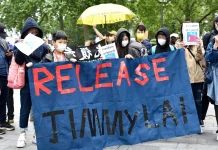
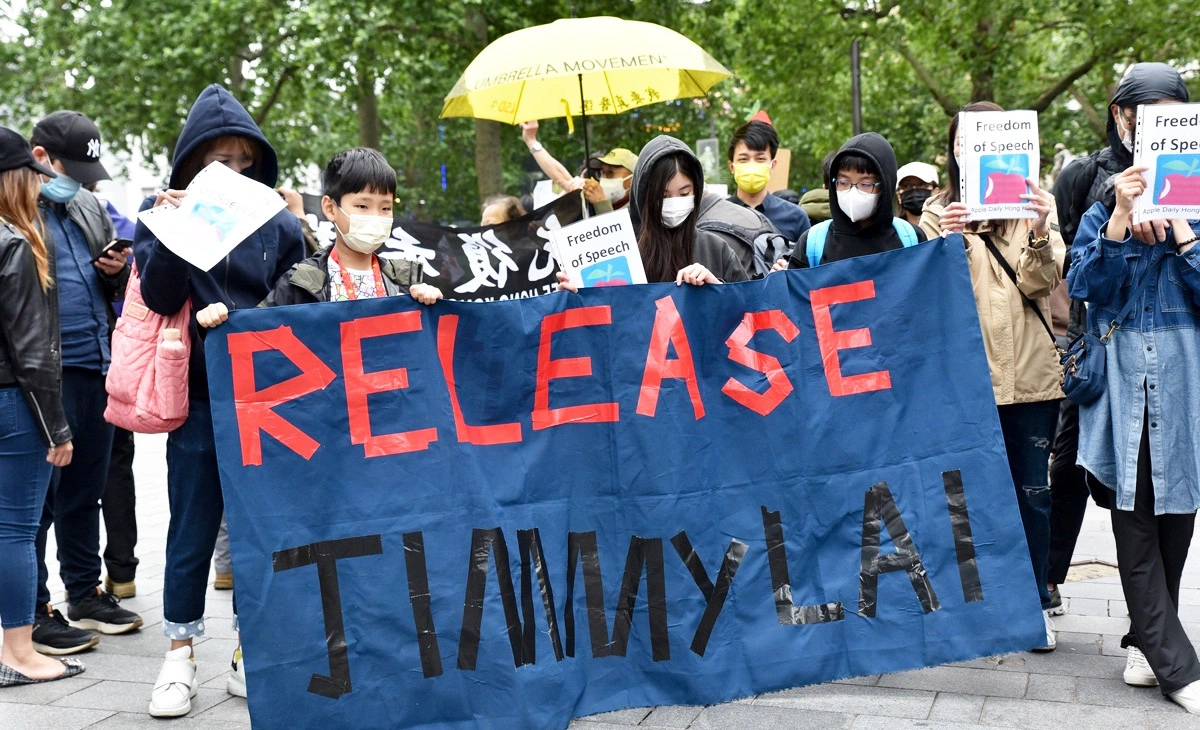
This latest salvo cannot be viewed in isolation from the broader erosion of civil liberties in Hong Kong, a narrative indelibly etched by the ongoing ordeal of figures like Jimmy Lai, the Catholic media magnate and pro-democracy icon whose imprisonment has drawn global scrutiny, including from Catholic outlets chronicling the faith’s intersection with human rights. Lai’s protracted national security trial exemplifies the perils facing outspoken Catholics and democrats alike. In August 2025, a Hong Kong court challenged Lai’s claims to fundamental rights during his trial, where he faces charges under the 2020 security law for alleged collusion with foreign forces through his now-defunct Apple Daily newspaper. Lai, a devout Catholic convert who has cited his faith as a bulwark against tyranny—drawing inspiration from saints like St. Mark —remains behind bars, his case a stark parallel to the banned groups’ fate.
The same legal arsenal now wielded against the Hong Kong Parliament and Democratic Independence Union has ensnared publishers, protesters, and parishioners who dare to champion freedoms enshrined in Hong Kong’s Basic Law. Just as Lai’s Apple Daily was shuttered in 2021 for its critical reporting, these groups’ social media lifelines now risk similar throttling, with donors and affiliates facing the same draconian fines and lengthy incarcerations.
Observers remain divided on the ban’s practical efficacy. With operations fragmented across borders and algorithms, the groups may persist in exile, much like Lai’s international advocates who continue to petition for his release through platforms like the Vatican and Western parliaments. Yet the symbolic weight is undeniable: In a city where arrests have surged and convictions mount, Article 23 serves as both sword and shield, fortifying Beijing’s narrative of stability while eroding the democratic ideals that once defined Hong Kong’s global allure.
As the December chill settles over Victoria Harbour, the question lingers—how much further can this erosion extend before the echoes of 2019’s protests fade entirely into enforced silence? For now, the bans stand as a grim milestone, intertwining the fates of digital activists, exiled dissidents, and imprisoned publishers like Jimmy Lai in a tapestry of resilience tested against an unyielding state.
- Raju Hasmukh with files from UCA News
Related Images: