














After 350 years, St. Mark’s Monastery in Jerusalem unveils its restored baroque altar, revealing centuries-old art and faith renewed.
Newsroom (14/01/2026 Gaudium Press ) After nearly three and a half centuries beneath layers of damage, repairs, and time, the historic altar of the Syriac Orthodox Patriarchal Monastery of St. Mark in Jerusalem has been unveiled, its gold leaf and baroque details finally revealed to the world. The unveiling on January 11 marked the culmination of a two-year restoration effort by Mexican artisans from María Visión Catholic TV, who undertook the monumental task free of charge.
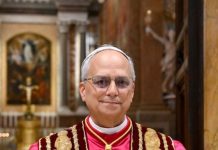
For the community and church leaders, the moment was more than a celebration of craftsmanship — it was a spiritual renewal. “Today we inaugurate a historical wooden structure that is far more than an artistic masterpiece,” said Archbishop Mor Anthimos Jack Yakoub, the Syriac Orthodox patriarchal vicar for Jerusalem, Jordan and the Holy Land. “From here, the first church was strengthened, and the Gospel went forth to all peoples by the power of the Spirit.”
A Work of Art Reborn
The altar, believed to be up to 400 years old, had not seen proper restoration since 1733. Its brilliant gilded floral carvings and slender columns, muted long ago by chemical sprays, have been brought back to life. Italian specialists working alongside the team discovered traces of original gold and silver leaf buried beneath centuries of grime — a delicate find that transformed an ailing relic into a renewed symbol of faith.
Without intervention, experts warned, the termite-infested altarpiece might have collapsed within a year. But a chance encounter with María Visión’s founder, Emilio Burillo, during a Christian unity prayer event sparked what Archbishop Yakoub described as “a miracle of providence.” The TV network’s restoration division, known for reviving sacred art across Latin America, offered to take on the half‑million‑euro project entirely free.
Restoring History, One Piece at a Time
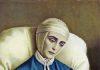
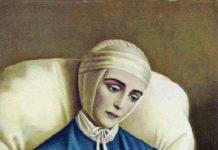
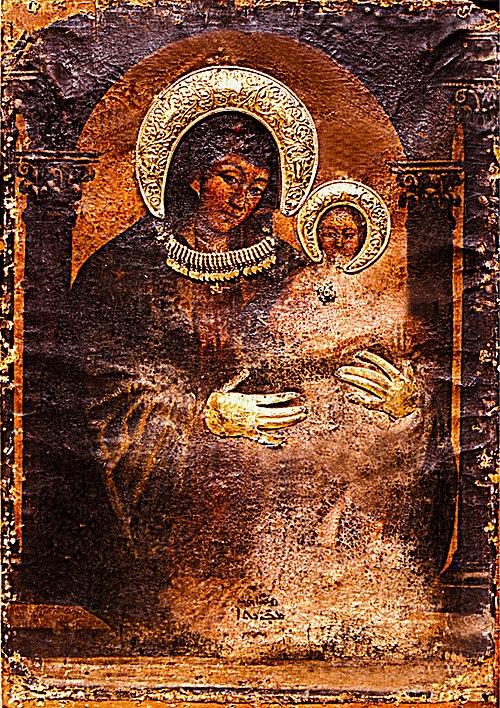
The restoration extended beyond the altar, encompassing the church’s domes, icons, and even the 1851 wooden cabinets. Central to the effort was the Miraculous Icon of the Virgin Mary — traditionally believed to have been painted by St. Luke himself.
Restorer Carlos Lozoya spent two months delicately cleaning and conserving the icon, its colors almost obscured by smoke and varnish. “Imagine the responsibility I felt,” Lozoya recalled. “When I discovered the real colors of the Virgin’s face, it was amazing. I felt like the Virgin Mary was guiding me.” Samples from the painting are currently being analyzed in Madrid to determine its exact age.
Each wooden piece of the altar was dismantled, catalogued, and painstakingly restored before being reassembled, a process Lozoya described as a blend of “devotion and precision.”
Faith Preserved Through Art
According to Syriac Orthodox tradition, St. Mark’s Monastery stands on the site of the house of Mark, where Jesus shared the Last Supper and where the first Christian community gathered after the Resurrection. For parishioners, the restored altar is both an artifact and a living testament to that sacred past.
Gabriela Flores, director of María Visión Mexico, emphasized that the project represents more than preservation: “It is a fundamental tool for conserving and transmitting identity, for continuing the legacy of faith received.”
As sunlight glinted across the reborn altar that January morning, a centuries-old story of endurance came full circle. What had been a fading structure of wood and gold became once again a “living place for prayer, memory and encounter” — an enduring testament to faith’s power to restore what time almost took away.
- Raju Hasmukh with files from OSV News
Related Images: