











North Korea is the world’s most dangerous place for Christians, where secret believers face death or imprisonment for their faith.
Newsroom (14/01/2026 Gaudium Press ) In a nation where loyalty to the Kim family is worshipped as a civic religion, even a whisper of faith in Jesus can cost a life. North Korea remains the most dangerous country on earth to follow Christ, where believers live under a constant shadow of fear, secrecy, and sacrifice.
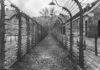
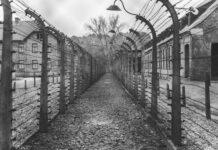
If a person is discovered to be Christian, the punishment is absolute: imprisonment in one of the regime’s infamous labour camps, or immediate execution. Family members, too, can suffer the same fate. Though Pyongyang showcases a few church buildings—designed to project an illusion of religious tolerance—they are little more than state-sponsored showpieces. Genuine Christianity, in contrast, is treated as treason.
The Illusion of Tolerance
The reality hidden behind North Korea’s polished facades is starkly different from its propaganda. True worship is not conducted in pews beneath government-approved steeples but in secret gatherings of underground believers, hidden in back rooms, forests, or basements. Even within families, trust is dangerous; a careless word overheard by a neighbour can lead to arrest.
Despite the omnipresent surveillance, faith endures. North Korean Christians meet quietly, reciting memorized Scripture and whispering prayers in the dark. Their devotion is defined by risk—each act of worship a choice between life and faith, silence and truth.
The Law of Fear
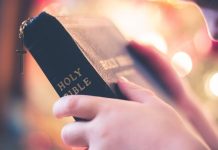
Since the introduction of the “anti-reactionary thought law” in 2020, the regime has doubled down on its efforts to erase independent belief. Owning a Bible, communicating with foreigners, or even possessing materials that hint at Christianity is punishable by death or lifelong imprisonment. The law codified what had long been policy: any worldview opposing the regime’s absolute authority is an existential threat.
The situation worsened further through 2025. While the government amplified its international outreach and tourism campaigns, life inside the country remained unrelentingly harsh. Food shortages deepened, political indoctrination intensified, and repression grew more sophisticated. For Christians, the danger only multiplied.
Global Watch: Continued Persecution
According to the Open Doors World Watch List 2026, North Korea tops the ranking for the 29th time in the last 30 years. The report notes that one in seven Christians worldwide faces persecution, with North Korea at the epicenter of this enduring crisis.
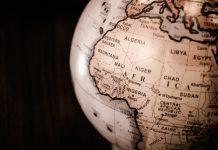
In total, 388 million Christians now experience high levels of persecution—a rise of eight million from the previous year. Asia and Africa remain the most dangerous regions, yet North Korea’s closed borders and absolute control make it the most impenetrable and punishing environment of all.
“The score remains close to the maximum possible,” noted Open Doors, reflecting a level of repression nearly unmatched anywhere on earth. Christians discovered by authorities—and often their families—are deported to forced-labour camps or executed.
The regime perpetuates myths that Christian missionaries are foreign agents who harm children or steal organs, reinforcing paranoia to maintain control. As the report states, “In a nation dominated by political indoctrination… there is zero freedom of religion or belief.”
Faith Through the Fire
Yet even here, where oppression is law and truth is lethal, faith persists. A North Korean believer described the underground church as “alive… praying in whispers, worshipping with memorized Scripture.” Their courage stands as both defiance and devotion, a testimony born out of unthinkable danger.
For these secret believers, hope is not in earthly liberation but in the quiet certainty that faith cannot be extinguished, even in the darkest places on earth.
- Raju Hasmukh with files from Open Doors
Related Images: