















China’s government has enacted a comprehensive new code of conduct prohibiting clergy and religious personnel from conducting virtually any form of religious activity online
Newsroom (18/09/2025, Gaudium Press ) In a move that further tightens state control over faith communities, China’s government has enacted a comprehensive new code of conduct prohibiting clergy and religious personnel from conducting virtually any form of religious activity online, including preaching, prayer meetings, and the education of minors.
The State Administration for Religious Affairs (SARA) unveiled the “Code of Conduct for Religious Teachers and Personnel” on September 15 through official state media outlets. Effective immediately, the 18-article document outlines stringent restrictions aimed at curbing what authorities describe as potential threats to national security and social harmony in the digital realm.
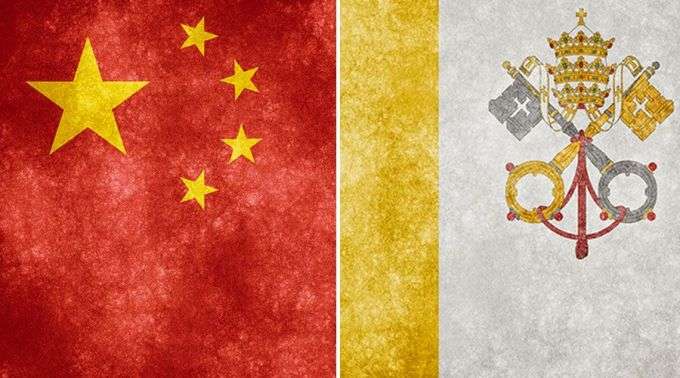
Under the new regulations, religious leaders across all faiths are barred from livestreaming liturgies, hosting online prayer sessions, or providing religious instruction to children via the internet. The code explicitly forbids the digital distribution of religious publications, organizing virtual worship services, and fundraising for religious purposes, such as building places of worship. Clergy are also prohibited from using online platforms to “collude with foreign forces,” a vaguely worded clause that appears to target interactions with international religious bodies, including the Vatican, labeling them as “overseas religious infiltration activities.”
Only websites operated by state-approved religious denominations are permitted to host faith-related content. The code mandates that all online religious activities must promote “love for the motherland, support for the leadership of the Communist Party of China (CPC), support for the socialist system, and abide by national laws and regulations.” It further requires religious personnel to embody “core values of socialism,” uphold the principle of religious independence in China, and advance the “Sinicization” of religion – a policy emphasizing the adaptation of faiths to align with Chinese socialist ideals and national harmony.
Violations could trigger penalties from a range of government bodies, including national security, telecommunications, public security, and religious affairs departments. Offenders may be ordered to rectify their actions within a specified timeframe or face legal consequences under broader statutes.
The regulations apply nationwide, encompassing mainland China, Hong Kong, Macau, and even Taiwan – territories where Beijing asserts sovereignty. They also extend to foreign religious teachers engaging in online activities within Chinese jurisdiction.
A particular focus of the code is the protection of minors from religious influence. It states: “Religious teachers shall not disseminate and instill religious ideas to minors through the internet, induce religious belief, or organise minors to participate in religious education.” This builds on existing mainland restrictions that already prohibit children from attending physical places of worship, now extending the ban to virtual spaces and the creation of educational materials for youth.
Additional prohibitions include unauthorized preaching via “live broadcasts, short videos, online meetings,” as well as organizing or participating in “online Dharma meetings, worship, Mass and other religious activities.” The code also bans the distribution or sending of “religious internal information publications through the internet.”
This latest directive is part of an escalating series of measures to centralize control over religious practices in China. In 2021, clergy were prohibited from being “dominated by foreign forces” or accepting unauthorized appointments from overseas institutions. Earlier this year, in April, new laws restricted foreign nationals from joining worship services with Chinese citizens and mandated that visitors affirm the autonomy of local faith communities.
Critics argue that these policies have led to increased harassment and arrests of bishops and clerics who resist state supremacy over ecclesiastical matters. Lay Catholics who refuse to recognize state-appointed bishops – those who pledge allegiance to CPC authority – have faced barriers to receiving sacraments in certain regions.
Clerics in China, speaking anonymously to Catholic news outlet The Pillar due to fears of reprisal, described the code as an extension of the government’s Sinicization agenda. One mainland cleric characterized it as a “natural development” of the policy, stating: “Religion is fine, so long as it is under the control of the state.”
He suggested the rules might not primarily target Catholics but rather other groups, such as Buddhists, Falun Gong practitioners, or corrupt officials seeking foreign funds. “But it will still be easy for us to get killed in the crossfire,” he added.
A senior Chinese cleric expressed deeper concerns about the implications for Catholic ties to the Vatican. He warned that routine communications, such as emails acknowledging Rome’s jurisdiction in church affairs, could be interpreted as “foreign collusion.” “If any cleric was caught having anything to do with a missionary, that’s ‘infiltration,’” he said. “As always with these regulations, the aim is to criminalize anything from outside China.”
He further cautioned: “We’re getting to the point where ordinary expressions of communion could be a national security breach.”
The code’s emphasis on Sinicization aligns with President Xi Jinping’s broader vision of harmonizing religious practices with CPC ideology, a push that has intensified since 2018. Human rights organizations, including Amnesty International and Human Rights Watch, have repeatedly criticized such measures as violations of international religious freedom standards, though Beijing maintains they are necessary to prevent extremism and foreign interference.
As enforcement ramps up, faith leaders anticipate challenges in maintaining community ties in an increasingly digital world. With physical gatherings already heavily regulated, the online ban could isolate believers further, particularly in remote areas or during times of crisis.
Government officials have not responded to requests for comment on the international implications of the code, but state media has framed it as a step toward “maintaining order in the religious sphere” and fostering a “harmonious socialist society.”
- Raju Hasmukh with files from Catholic Herald and The PIllar
Related Images: