








In Vatican’s first Extraordinary Consistory under Pope Leo XIV, 170 cardinals vote to explore synodality and evangelization as guiding themes.
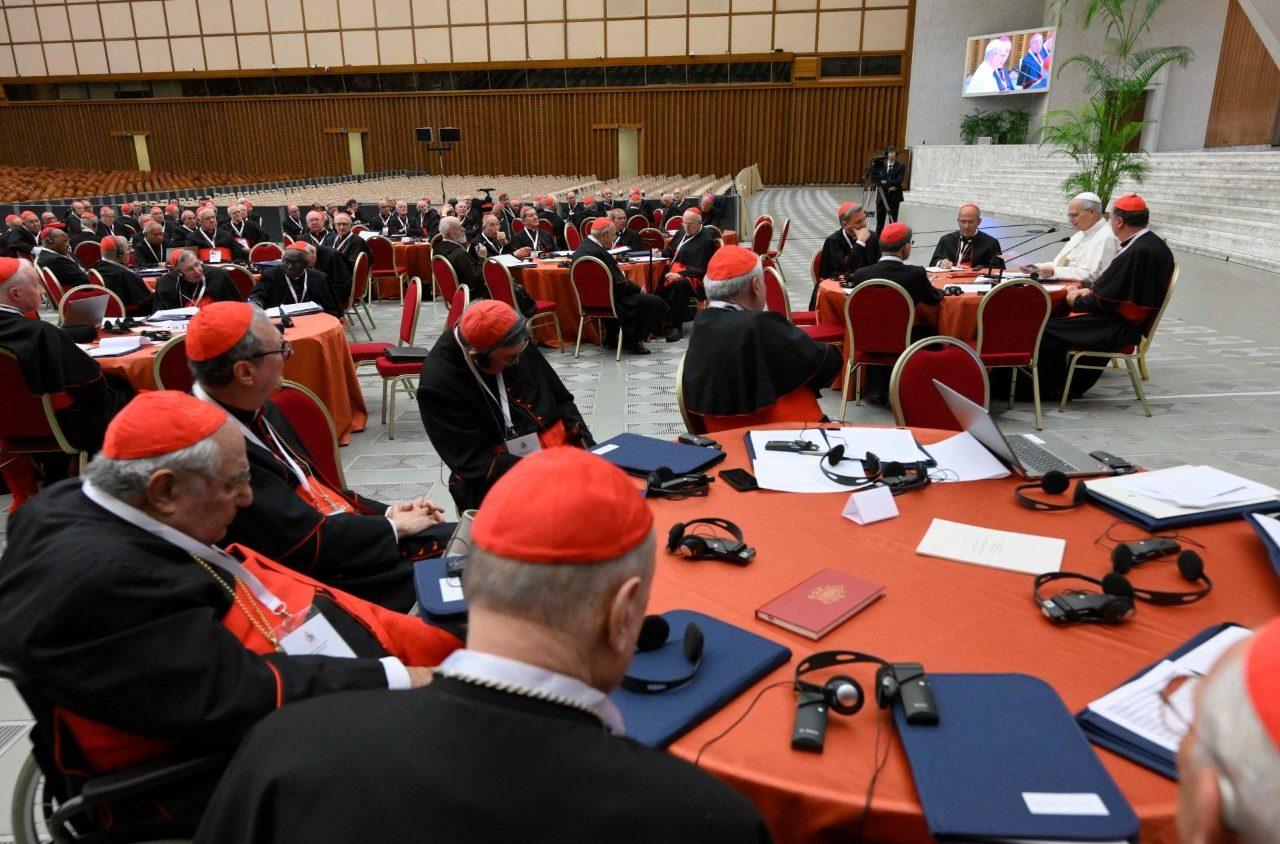
Newsroom (08/01/2026 Gaudium Press ) The first Extraordinary Consistory of Pope Leo XIV’s pontificate opened in Vatican City with about 170 cardinals gathered from across the globe to discern the Church’s direction in the third millennium. Meeting inside the Aula del Sinodo and later shifting to the Aula Paolo VI, the participants embraced a distinctly synodal method — characterized by dialogue, listening, and group reflection — to decide on the main issues for discussion.
By an overwhelming majority, the cardinals selected “Synod and synodality” and “Evangelization and mission in light of Evangelii gaudium” as the two key topics for reflection over the two-day session. These choices came from a shortlist of four possibilities that also included the liturgy and the apostolic constitution Praedicate Evangelium, which defines the role of the Roman Curia. Due to time constraints, the group opted for two areas to ensure meaningful discussion and depth.
“The Pope received signals of urgency on certain topics,” explained Matteo Bruni, director of the Holy See Press Office, during an evening briefing. “Although some matters were not directly chosen, they will find their place within the broader framework of the discussions.”
Working in the Synodal Spirit
Synodality itself was not only a theme but the very method guiding the work. Divided into 20 linguistic groups, cardinals sat in circular arrangements, each taking turns to speak for a few minutes in a spirit of attentive listening and dialogue. This approach mirrored the process used in previous Synods on synodality, underscoring Pope Leo’s conviction that “synodality is the path God expects of the Church in the third millennium.”
The Pope, speaking at the close of the day, stressed his reliance on the College of Cardinals: “I feel the need to count on you,” he said, appealing for collaboration rooted in confidentiality to ensure open and honest debate. The emphasis, he noted, was not simply on producing a final document but on learning a style — one of working “together” and “creating something new.”
Inside the Two-Day Work Session
The day’s proceedings began with prayer and reflection. Cardinal Ángel Fernández Artime presided over the introductory session, accompanied by the chanting of Veni Creator Spiritus, a passage from the Gospel of Mark, moments of silence, and a greeting from the Dean of the College of Cardinals, Giovanni Battista Re. The highlight came with a meditation by Dominican Cardinal Timothy Radcliffe, who reflected on the challenges facing both the world and the Church.
After the plenary session, participants moved to smaller groups in the Aula Paolo VI for two hours of work. Pope Leo XIV did not take part in the group discussions but returned to hear the final summaries. Only the secretaries of the first nine groups presented detailed feedback; the remaining eleven reported their topics without elaboration.
The next day’s program included a concelebrated Mass at the Altar of the Chair of St. Peter, morning discussions, and a final afternoon session. A concluding text was not foreseen. As explained by the Pope, the aim was to cultivate a synodal spirit — an experience of collegiality and shared discernment rather than a prescriptive outcome.
Pope Leo XIV’s Closing Reflections
In his closing remarks, Pope Leo XIV focused on the importance of journey as much as destination. He emphasized that the Church must discern together the voice of the Holy Spirit for today and tomorrow. Quoting from his Epiphany homily, he repeated his pressing question: “Is there life in our Church?” He envisioned a Church that is “missionary,” one that “looks beyond itself” and exists primarily to proclaim the Gospel.
“The time is brief,” the Pope acknowledged, “but this moment matters. You have called this servant to this mission — it is essential that we discern together.” His words captured the essence of the consistory: a Church rediscovering the shared responsibility of guiding its path in turbulent times.
Radcliffe’s Call to Courage in the Storm
Cardinal Radcliffe, in his earlier meditation, offered both encouragement and warning. “If the boat of Peter were filled with disciples quarreling among themselves, we would be of no use to the Holy Father,” he said, referencing the Gospel of John. Unity, he argued, is found in peace and love, even amid differing views: “God will be present among us, even when He seems absent.”
He turned his gaze to the wider world, describing an era of “terrible tempests” — escalating violence, widening inequality, the erosion of global order, and the unpredictable impact of artificial intelligence. “If we are not already uneasy, we should be,” he cautioned, acknowledging the fatigue and isolation many feel. Yet Radcliffe urged hope: “Jesus watches over us and draws nearer than ever.”
He extended the same conviction to a Church shaken by crises and divisions, insisting that God calls believers to face such storms “with truth and courage,” not from the safety of the shore but from within the very waves of challenge. “If we do this at this Consistory,” he concluded, “we will see Him come to meet us.”
- Raju Hasmukh with files from Vatican News
Related Images: