


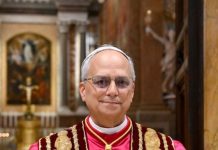









Cardinal Joseph Zen denounces synodality as “manipulation” and an insult to bishops’ dignity during Pope Leo XIV’s first extraordinary consistory.
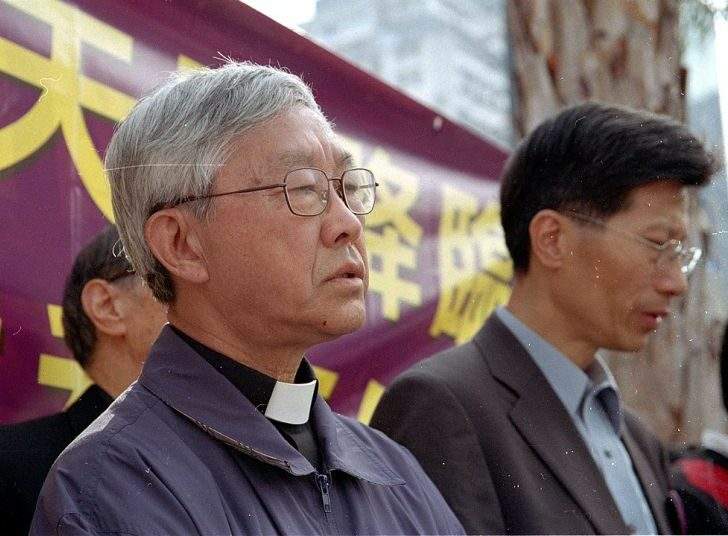
Newsroom (11/01/2026 Gaudium Press ) Cardinal Joseph Zen Ze-kiun launched an impassioned attack on what he called the growing “ironclad manipulation” behind the Catholic Church’s Synod on Synodality, describing the ongoing process as an “insult to the dignity of the bishops.” The 93-year-old bishop emeritus of Hong Kong delivered his forceful critique during the Jan. 7–8 extraordinary consistory of cardinals, the first major gathering of the sacred college under Pope Leo XIV.
The closed-door meeting brought together 170 of the 245 members of the College of Cardinals for two days of discussion in Rome. Zen’s remarks, first revealed by the College of Cardinals Report on Jan. 9, were delivered during one of two open discussion sessions and quickly reverberated throughout Vatican circles.
A Blistering Rebuke of Synodality
In a tone that mixed deep concern with sharp rebuke, Zen accused the Church’s hierarchy of emptying synodality of its authentic theological meaning. To Zen, the widely promoted notion that synodality reflects the promptings of the Holy Spirit was “ridiculous and almost blasphemous.”
“The ironclad manipulation of the process is an insult to the dignity of the bishops,” Zen declared. “They expect surprises from the Holy Spirit. What surprises? That he should repudiate what he inspired in the Church’s two-thousand-year tradition?”
Zen questioned the very premise of the global synod — whether any pope, however well-meaning, could “listen to the entire People of God,” and whether the chosen lay participants truly represented that people. His statements laid bare divisions that have quietly simmered among senior prelates since the Synod on Synodality began in 2021.
Charges of Contradiction and Ambiguity
Zen also dissected the final document of the Synod on Synodality, pointing out what he described as glaring contradictions. The text, he said, claimed to belong to the Church’s magisterium yet imposed no norms; it emphasized unity of teaching and practice yet permitted vast diversity in local interpretation.
He cautioned that allowing each culture or region to “seek solutions better suited to its tradition and needs” risked fragmentation. “Do the differing interpretations and choices not lead our Church to the same division found in the Anglican Communion?” he asked.
The cardinal accused the synod document of using “ambiguous and tendentious expressions” and warned that invoking the Holy Spirit to justify divergent interpretations called the Church’s coherence into question.
Questions over Authority and Process
Zen expressed skepticism about how the Synod Secretariat could judge the results of “experimenting and testing” so-called “new forms of ministeriality” across different cultural contexts. He strongly implied that bishops, not Vatican-appointed secretariats, should remain the primary guardians of discernment and doctrinal integrity.
The retired Hong Kong prelate further argued that the Orthodox Churches would “never accept” what he called “Bergoglian synodality,” referencing Pope Francis’s redefinition of the Synod of Bishops. By including non-bishops in formal voting roles, Zen said, Francis had “exploited the word synod” while effectively dissolving the episcopal structure established by Pope Paul VI.
Official Silence and Lingering Tensions
The Vatican press office made no mention of Zen’s intervention, and designated spokespersons emphasized that the consistory had produced “no criticism” of Pope Francis or his approach to synodality. Cardinal Stephen Brislin acknowledged only a “divergence of opinion” among participants and said that some had called for further clarification of the synod concept.
Because the meeting was held behind closed doors and participants were instructed to maintain confidentiality, detailed accounts remain scarce. Yet Zen’s comments, now public, underscore mounting friction within the Church over the future of synodality — and the limits of papal authority in shaping that vision.
- Raju Hasmukh with files from CNA
Related Images: