













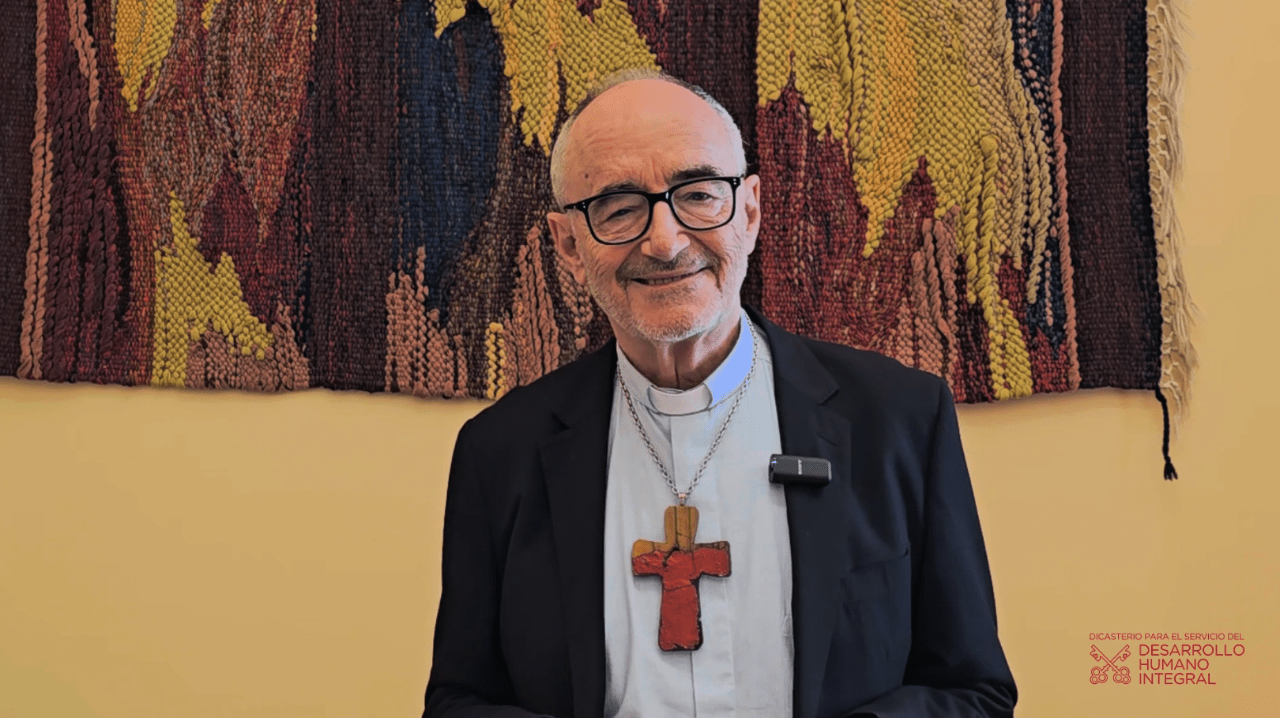
Cardinal Czerny visits Cox’s Bazar, world’s largest refugee camp, praising Caritas Bangladesh’s care for over 1M Rohingya & urging global solidarity.
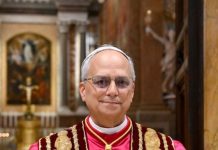
Newsroom (12/11/2025 Gaudium Press ) In a powerful gesture of papal closeness to the world’s most persecuted minority, Cardinal Michael Czerny, S.J., Prefect of the Dicastery for Promoting Integral Human Development, spent five days (1-4 November) immersed in Bangladesh’s pastoral and humanitarian frontline, culminating in a moving visit to the sprawling Cox’s Bazar refugee camps—home to more than 1.1 million Rohingya, half of them children.
Accompanied by Archbishop Kevin Randall, Fr. Liton Hubert Gomes, executive secretary of the Episcopal Commission for Justice and Peace, and other Vatican delegates including Fr. Joseph Savarimathu, Ms. Francesca Dona, Archbishop Lawrence Subrata Howlader, CSC, and Bishop Gervas Rozario, His Eminence was welcomed by Caritas Bangladesh Executive Director Daud Jibon Das and the entire local team.
A Community of Care Amid Desolation Cox’s Bazar, the planet’s largest refugee settlement, has sheltered waves of Rohingya since the 1970s, but the 2017 exodus from Myanmar swelled the population exponentially. Cardinal Czerny toured the MCAC Centre in Camp 4 and its extension, where children greeted him with songs and flowers. He inspected WASH (Water, Sanitation, and Hygiene) facilities, upgraded shelters in Camp 19, and paused at a tailoring workshop where women gain skills for dignity and self-reliance.
Caritas Bangladesh’s multifaceted programs—healthcare, formal education, after-school enrichment, ecological training, and human-rights advocacy—earned the cardinal’s heartfelt praise. “What I see here is not only humanitarian service but compassion and solidarity that strengthen the entire community,” he declared. “Caritas has built a true community of care.”
Voices from the Camps At a community consultation, Rohingya leaders voiced gratitude: “Even when the world’s attention fades, Caritas Bangladesh stays—standing with us, listening to us, and working for our people.” Cardinal Czerny listened intently, later reflecting, “Rohingya people face many serious challenges in their daily lives, yet they have a deep desire to return home.” He hailed the camps’ hygiene practices, mutual respect, and environmental care as “seeds of hope” for a future peaceful repatriation.
A Call to Renewed Global Solidarity Expressing alarm at shrinking international funding, the cardinal urged faith-based organizations and the global community to intensify support. “The world should show more solidarity, not less,” he insisted, praying that the Rohingya “will one day return safely to their homeland and live in peace and dignity.”
Pastoral Ministry Beyond the Camps The cardinal’s itinerary brimmed with Eucharistic and ecumenical encounters. In Dhaka, he joined the Bangladeshi bishops and the Episcopal Commission for Justice and Peace—celebrating its golden jubilee—in festive reflection. At the Peter Bhaban Credit Union Center in Morandangur, Modonpur, he celebrated the Jubilee of Migrants Mass for 600 indigenous Christian families, offering pastoral care and vocational training.
On All Souls’ Day, Cardinal Czerny presided at Holy Rosary Church—Bangladesh’s largest parish—before 5,000 faithful, followed by a candlelit procession to the cemetery, entrusting the departed to God’s mercy.
Interreligious Prayer and Fraternal Bonds Throughout, moments of interreligious prayer underscored the Church’s commitment to dialogue. Cardinal Czerny met children and teachers, shared a meal with a refugee family, and commended Caritas for serving women, children, and the most vulnerable with Gospel-driven love.
In the spirit of Fratelli Tutti, Cardinal Czerny’s journey embodied Pope Francis’ call to walk with the discarded. As the Rohingya crisis enters its eighth year, the Vatican’s presence reaffirms that no one is forgotten in the heart of the Church.
- Raju Hasmukh with files from Vatican News and Bay of Bengal Post
Related Images: