



















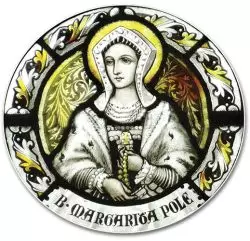
At dawn, the 67-year-old Countess of Salisbury received word that her execution was imminent. After nearly two years of unjust imprisonment in the Tower of London, the noblewoman—once a trusted confidante of the king—prepared to meet her fate with unshaken resolve.
Maintaining the dignity of her royal lineage, Margaret Pole, the last direct descendant of the Plantagenet dynasty, walked steadfastly to the scaffold. Before a crowd of 150 onlookers, she knelt, commended her soul to God, and placed her head upon the block.
What followed was not a swift, merciful death, but a grotesque spectacle of incompetence. The executioner, inexperienced and unsteady, botched the first blow, striking her shoulder instead. The wounded countess, overcome with pain, struggled to rise before being subdued. Multiple clumsy strikes finally ended her life, marking a brutal close to a saga of royal vengeance.
A Noble Bloodline and a Fall from Grace
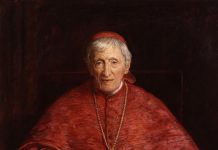
Born on August 14, 1473, Margaret Pole was the daughter of George Plantagenet, Duke of Clarence, and niece to Kings Edward IV and Richard III. Her marriage to Sir Richard Pole produced five children, including Reginald Pole, who would later become a cardinal and one of Henry VIII’s fiercest critics.
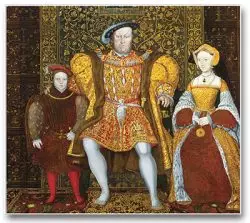
Initially, Henry held Margaret in high esteem, restoring her family’s confiscated titles and naming her Countess of Salisbury in 1513. She served as governess to Princess Mary Tudor, forging a bond akin to mother and daughter. But as the king’s rift with the Catholic Church deepened, her loyalty to Rome made her a target.
Defiance in the Face of Tyranny
When Henry VIII broke from the Vatican to annul his marriage to Catherine of Aragon, Margaret stood firmly with the queen and the Church. Her refusal to acknowledge the king as Supreme Head of the Church of England—and her son Reginald’s vocal opposition—sealed her fate.
In 1533, she was stripped of her position and banished from court. By 1538, Henry’s vengeance escalated: her sons Henry and Geoffrey were arrested on dubious charges of treason, and within months, much of her family was executed.
Margaret herself was imprisoned in November 1538. Interrogations yielded no confession—only admiration from her captors, who noted her fearlessness. Without trial, she was condemned by an act of Parliament in 1539, a judicial travesty that bypassed due process.
A Martyr’s End and Legacy
Her execution in 1541 shocked Europe. The French ambassador Claude de Marillac called it a “pitiful spectacle,” while imperial envoy Eustace Chapuys decried the killing of an elderly woman who posed no threat.
Reginald Pole, grieving from exile, wrote that his mother was murdered for her “constancy in the Catholic Faith”—a martyrdom that would later be recognized by the Church. In 1886, Pope Leo XIII beatified her, affirming her place among those who died for religious conviction.
Margaret Pole’s story remains a stark testament to the brutality of Tudor rule—and the unyielding courage of those who defied it.
By Bruna Almeida Piva Adapted from Arautos do Evangelho Magazine, No. 245, May 2022.
Related Images: