

















As the Northern Vicariate continues its solidarity efforts, Berardi’s message is clear: even in the face of violence, the pursuit of peace remains paramount.
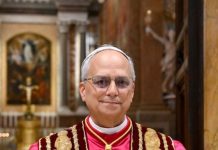
Newsroom (18/09/2025, Gaudium Press ) In the wake of Israel’s surprise airstrike on Hamas officials in Qatar, Bishop Aldo Berardi, the Apostolic Vicar of Northern Arabia, remains a steadfast voice for peace and dialogue in a region rattled by escalating tensions. Speaking to AsiaNews from Bahrain, where he was tending to pastoral duties following a recent visit to Qatar, the prelate emphasized the Gulf state’s enduring role as a hub for diplomacy and the potential for renewed efforts toward reconciliation in the Middle East.
The Israeli operation, codenamed Atzeret HaDin (Judgment Day), targeted Hamas’s exiled leadership in Doha, killing five officials, including the son of chief negotiator Khalil al-Hayya, and a Qatari security officer. The strike, executed with military jets and drones, has raised fears of derailing delicate ceasefire negotiations in Gaza and the release of Israeli hostages. Yet, Berardi, who has served as apostolic vicar for two years, sees Qatar’s unique position as a mediator as a beacon of hope for fostering dialogue amid the crisis.
Qatar: A Privileged Position for Peace
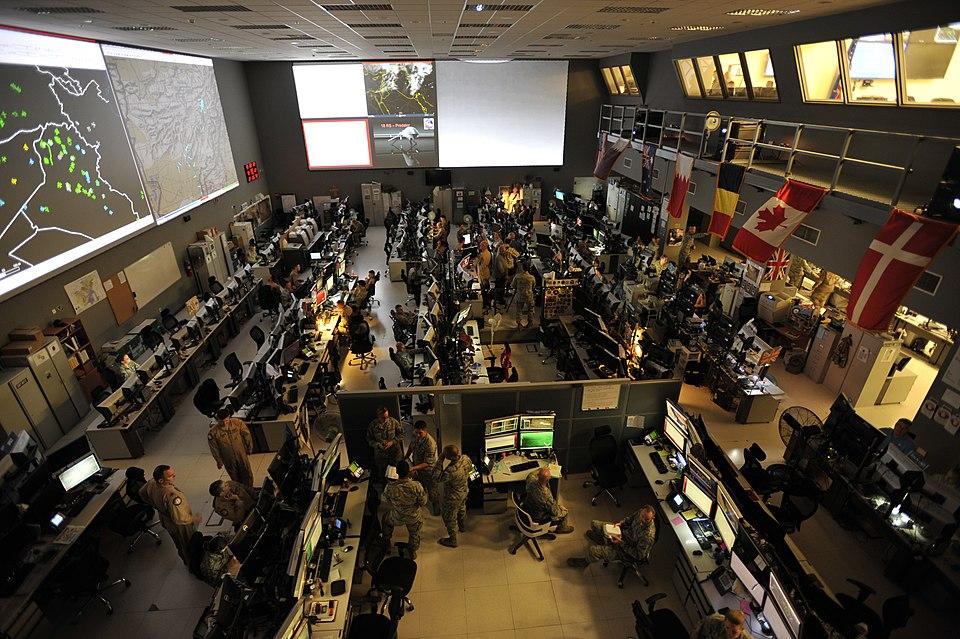
“Qatar remains a place where dialogue is possible,” Berardi said, speaking by phone as a former vicar of the Order of the Most Holy Trinity and Captives. He highlighted Qatar’s multifaceted role in the region, noting its partnerships with Hamas, its hosting of the al-Udeid Air Base—the largest US military facility in the Middle East—and its open channels with both Gulf neighbors and the United States. “It is a privileged position,” he affirmed, acknowledging the complexities of these relationships but stressing that Doha’s capital remains “an important meeting point” for diplomatic engagement.
Despite the shock of the attack, Qatari authorities have sought to project calm, with no disruptions to Doha’s airport or heightened security measures. “The authorities have sent a message of normality,” Berardi observed, noting that this approach extends to other Gulf states like Bahrain, Kuwait, and Saudi Arabia. He believes this restraint reflects a regional commitment to stability, creating an opportunity for Qatar to continue its mediation efforts. Emir Sheikh Tamim bin Hamad Al Thani, while condemning the “reckless criminal attack,” vowed to persist with negotiations, a stance echoed by Prime Minister Sheikh Mohammed bin Abdulrahman Al Thani, who reserved Qatar’s right to respond but emphasized continuity.
A Call for Solidarity and Prayer
For Berardi, the path to peace lies not only in diplomacy but also in grassroots solidarity. In the Northern Vicariate, which spans Bahrain, Kuwait, Qatar, and Saudi Arabia, communities are rallying to support Gaza’s beleaguered population. “People are very interested in what’s happening in Gaza,” the bishop said, describing initiatives such as prayers and fundraisers aimed at addressing the humanitarian crisis. In a poignant gesture, children in the vicariate are writing letters and postcards to their peers in Gaza, expressing solidarity and hope. Berardi plans to deliver these messages to Cardinal Pierbattista Pizzaballa, the Latin Patriarch of Jerusalem, at the upcoming Conference of Latin Bishops in the Arab Regions (CELRA) in Jordan this October.
“The children are praying for their peers in Gaza,” Berardi explained, underscoring the importance of these acts of compassion. “We want to express our closeness with messages and fundraisers to support their daily needs.” These efforts, he believes, can foster a sense of shared humanity, laying the groundwork for broader reconciliation.
Navigating Regional Tensions
The Israeli strike has drawn widespread condemnation, with Pope Leo XIV describing the situation as “very serious” and UN Secretary-General Antonio Guterres praising Qatar’s “very positive role” in seeking a ceasefire. The attack has also sparked concern among the families of hostages held by Hamas, who fear it could jeopardize their loved ones’ release. Regional powers like Saudi Arabia and the UAE have criticized the operation, citing its potential to disrupt future negotiations.
Berardi, however, remains focused on the bigger picture. He noted that while attention is fixed on Gaza, other regional conflicts, such as those in Syria and Yemen, are often overlooked. “Yemen only reappears in the news following US bombing of the Houthis,” he remarked, calling for a more comprehensive approach to peacebuilding. The upcoming CELRA meeting in Jordan will provide a critical opportunity to address these challenges, including tensions between Churches and the Israeli state over issues like taxation. “We look forward to speaking in person with Cardinal Pizzaballa to have a clearer picture of the situation,” Berardi said.
A Hopeful Vision for Reconciliation
Despite the complexities of the current crisis, Berardi remains optimistic about the possibility of peace. He views Qatar’s resilience and diplomatic agility as key to navigating the fallout of the attack. “We must pay attention to the movements taking place in Doha,” he urged, emphasizing the city’s role as a nexus for dialogue. The bishop’s call for peace is rooted in both spiritual and practical dimensions, combining prayer and humanitarian action with a belief in the power of diplomacy to bridge divides.
As the Northern Vicariate continues its solidarity efforts, Berardi’s message is clear: even in the face of violence, the pursuit of peace remains paramount. “Qatar will always be an important meeting point,” he said, expressing hope that the Gulf state’s commitment to mediation, coupled with regional and global support, can pave the way for a ceasefire and the safe return of hostages. For Berardi, the path forward lies in fostering dialogue, compassion, and a shared commitment to a just and lasting peace in the Middle East.
- Raju Hasmukh with files from Asianews.it
Related Images: