








Belarus frees two Catholic priests jailed on disputed charges after Vatican talks, signaling potential détente with West following Lukashenko-Trump call.
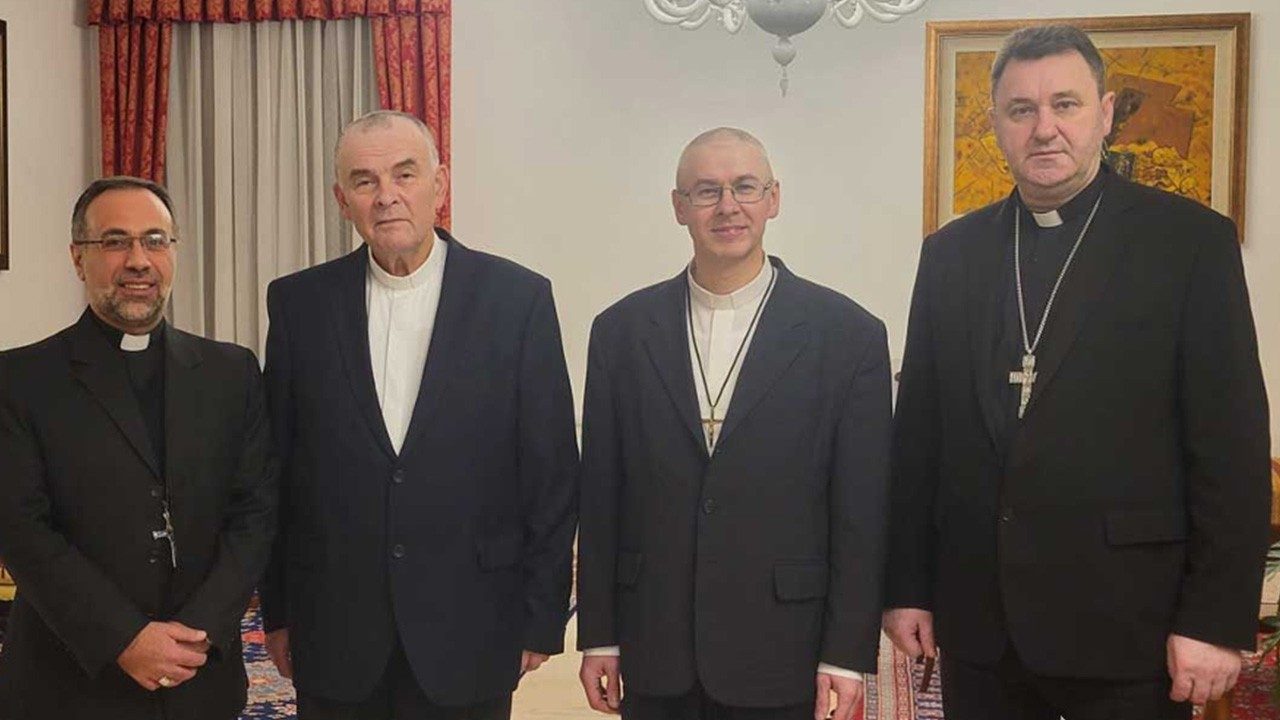
Newsroom (21/11/2025 Gaudium Press ) Two Catholic priests imprisoned in Belarus on charges widely condemned as politically motivated were released from custody on Thursday, following high-level negotiations involving the Vatican, church officials confirmed.
The Conference of Catholic Bishops in Belarus announced the releases of Father Henrykh Akalatovich, 65, and Father Andrzej Yukhnevich, describing the development as a positive step in the country’s relations with both the Holy See and the United States.
Father Akalatovich had been serving an 11-year sentence handed down in 2023 after a closed-door trial on treason charges. Prosecutors accused him of espionage on behalf of Poland and the Vatican — allegations he rejected as fabricated through “lies, threats, and blackmail.” A vocal government critic known for sharp sermons, Akalatovich’s conviction marked the first time since Belarusian independence in 1991 that a Catholic cleric faced overtly political charges.
Father Yukhnevich, meanwhile, was serving a 13-year term imposed in April on child sexual abuse charges that human rights monitors labeled retaliatory. Activists noted he had previously been detained four times, including for displaying a Ukrainian flag on social media during the 2022 Russian invasion of Ukraine. Yukhnevich consistently denied the molestation accusations.
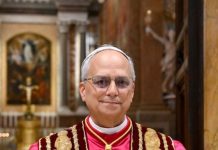
The priests’ release came one month after Cardinal Claudio Gugerotti, the Vatican’s prefect for the Dicastery for the Eastern Churches and a former papal nuncio to Belarus, visited Minsk in October. Belarusian bishops explicitly linked Thursday’s development to that diplomatic mission.
In a statement, the bishops’ conference welcomed “the resumption of dialogue between Belarus and the United States, and the strengthening of contacts with the Vatican,” an apparent reference to an August telephone call between authoritarian President Alexander Lukashenko and U.S. President Donald Trump that preceded the release of several other political prisoners.
The immediate whereabouts of the two priests remained unclear Thursday evening. In similar cases this year, freed detainees have frequently been escorted directly to Lithuania, often stripped of passports and personal documents.
Exiled opposition leader Sviatlana Tsikhanouskaya hailed the releases while urging broader action. “My deepest gratitude to Pope Leo XIV and the Holy See for their principled support,” she wrote on social media. “Many other believers remain behind bars. Repression must end — no one should be punished for their faith.”
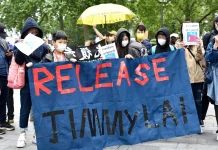
The two clerics are among dozens of Catholic, Orthodox, and Protestant religious leaders who have faced imprisonment, exile, or silencing since the disputed 2020 presidential election that extended Lukashenko’s 31-year rule. Massive protests following the vote — deemed fraudulent by independent observers — were met with a brutal crackdown that saw more than 65,000 arrests and widespread reports of torture.
Churches that opened their doors to shelter demonstrators became particular targets. Authorities have since subjected clergy to “preventive” interrogations, monitored sermons, and scrutinized online activity.
According to the Viasna human rights center, more than 1,200 political prisoners remain incarcerated in Belarus, including 29 religious figures and Nobel Peace Prize laureate Ales Bialiatski.
Catholics constitute roughly 14 percent of Belarus’s 9.5 million people, with Orthodox Christians forming the overwhelming majority at around 80 percent and Protestants about 2 percent.
Thursday’s releases, while limited, are being watched closely as a possible barometer of Minsk’s willingness to ease domestic repression in exchange for sanctions relief and improved relations with Western capitals.
- Raju Hasmukh with files from Crux Now
Related Images: