
















The attacks, which have targeted five priests, initially appear driven by theft but are widely seen as deliberate efforts to intimidate the state’s Christian minority
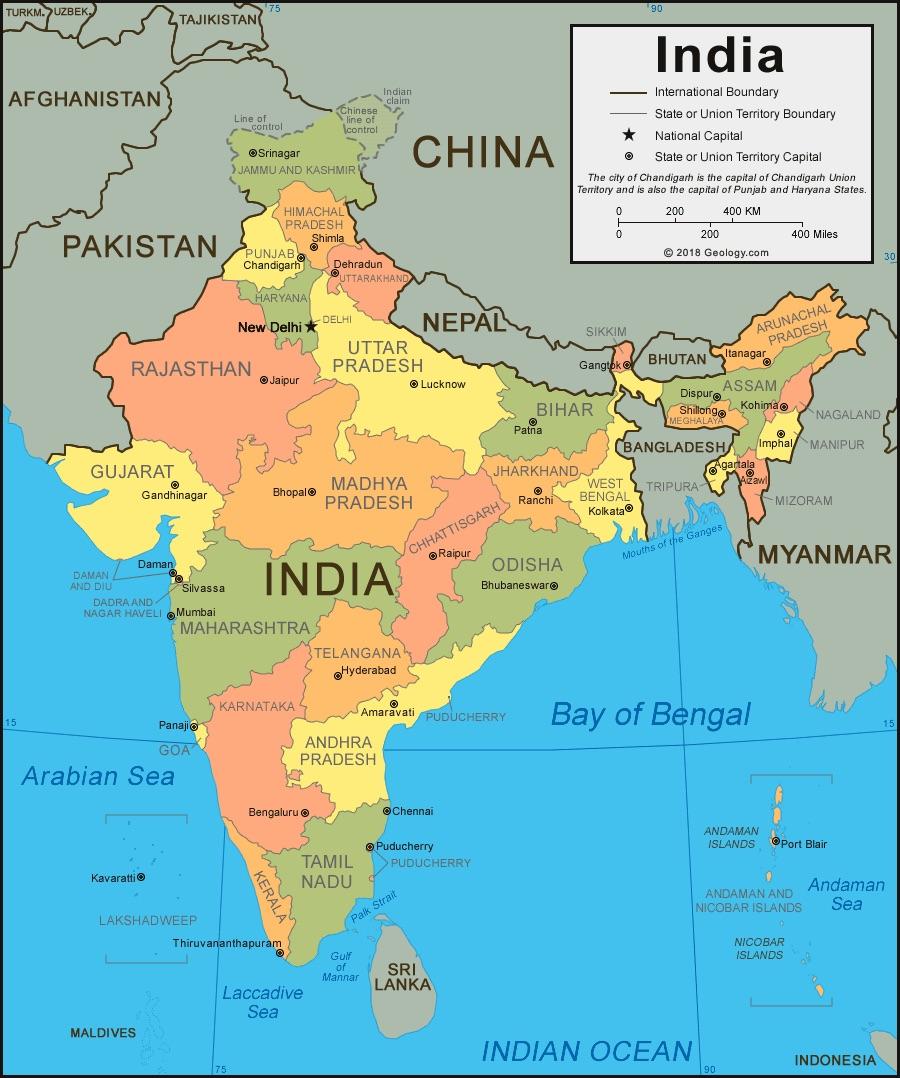
Newsroom (03/10/2025, Gaudium Press ) A series of assaults on Catholic priests and their institutions in Jharkhand over the past three months were meticulously orchestrated by groups opposed to the Church’s social work, according to local Christian leaders.
The attacks, which have targeted five priests in total, initially appear driven by theft but are widely seen by the victims as deliberate efforts to intimidate the state’s Christian minority and undermine communal harmony.
The most recent incident unfolded late last month in the remote village of Tumdegi, under the Simdega diocese. Around 12 masked assailants, wielding sticks, stormed St. Joseph Church and beat two priests before ransacking the premises for cash.
Parish priest Father Thomas Soreng and Father Emmanuel Baghwar, who oversees youth ministry, suffered serious injuries and were rushed to a nearby clinic for treatment.
“It is not just a simple theft but a pre-planned attack by vested interests supported by some political parties,” said Father Peter Barla, a former member of SIGNIS, the global Catholic media association’s India chapter, in an interview with UCA News on Oct. 2.
Barla, speaking from Simdega, pointed to a broader pattern of harassment. “Over the past few years, some groups who are not comfortable with the Church’s work in the region have attempted to disturb Christians in various ways,” he said. “It’s part of a pattern to persecute and prevent our institutions from carrying out missionary work. These politically-backed groups do not tolerate any other religion.”
Such incidents, Barla argued, infringe on the religious freedoms enshrined in India’s Constitution, which guarantees equal protection for all faiths.
Local authorities, however, have downplayed any sectarian motives. Simdega police chief Mohammed Arshi described the Tumdegi assault as a straightforward robbery. “It appears to be a crime motivated by loot, and not an attack targeting the church for religious reasons,” Arshi told reporters. He noted that a manhunt was underway to apprehend the suspects but lamented the absence of CCTV cameras at the church—a common issue in the Christian-majority district.
This is not an isolated case. On June 9, three priests at Samsera Church in the same district were ambushed by unidentified men who pistol-whipped them, forced them to recite religious slogans at gunpoint, and fled with stolen cash, Barla recounted.
Church advocates say the violence reflects a chilling escalation in anti-Christian aggression across India. Praveen Kachhap, Jharkhand state secretary of the All India Christian Minority Front, decried the incidents as symptoms of rising religious fanaticism and eroding democratic norms.
“The Christian community is hurt and angered by such pre-planned incidents, and they demand the arrest of the culprits and justice,” Kachhap told UCA News. “We have seen an increase in anti-Christian violence in various parts of India, and the government has failed to stop such attacks.”
Ratan Tirkey, a prominent tribal leader and former advisor to the Jharkhand government, echoed those concerns, highlighting the impunity enjoyed by perpetrators. “Christians face growing attacks in the state, and culprits remain largely unpunished,” he said. “It is too early to say who is behind the attacks, but we cannot rule out the possible involvement of communal forces who seek to divide people in the name of caste, creed and religion.”
Jharkhand’s Christian population, numbering around 1.4 million out of the state’s estimated 33 million residents, is concentrated among tribal communities in districts like Simdega. These groups have long relied on Church-run schools, hospitals and outreach programs for education and healthcare in underserved areas—a role that some Hindu nationalist outfits have criticized as proselytizing.
As investigations continue, the attacks have reignited debates over religious tolerance in one of India’s most diverse states. Church officials are calling for heightened vigilance and federal intervention to safeguard minority rights, while police insist routine criminal probes will uncover the truth.
- Raju Hasmukh with files from UCA News
Related Images: