

















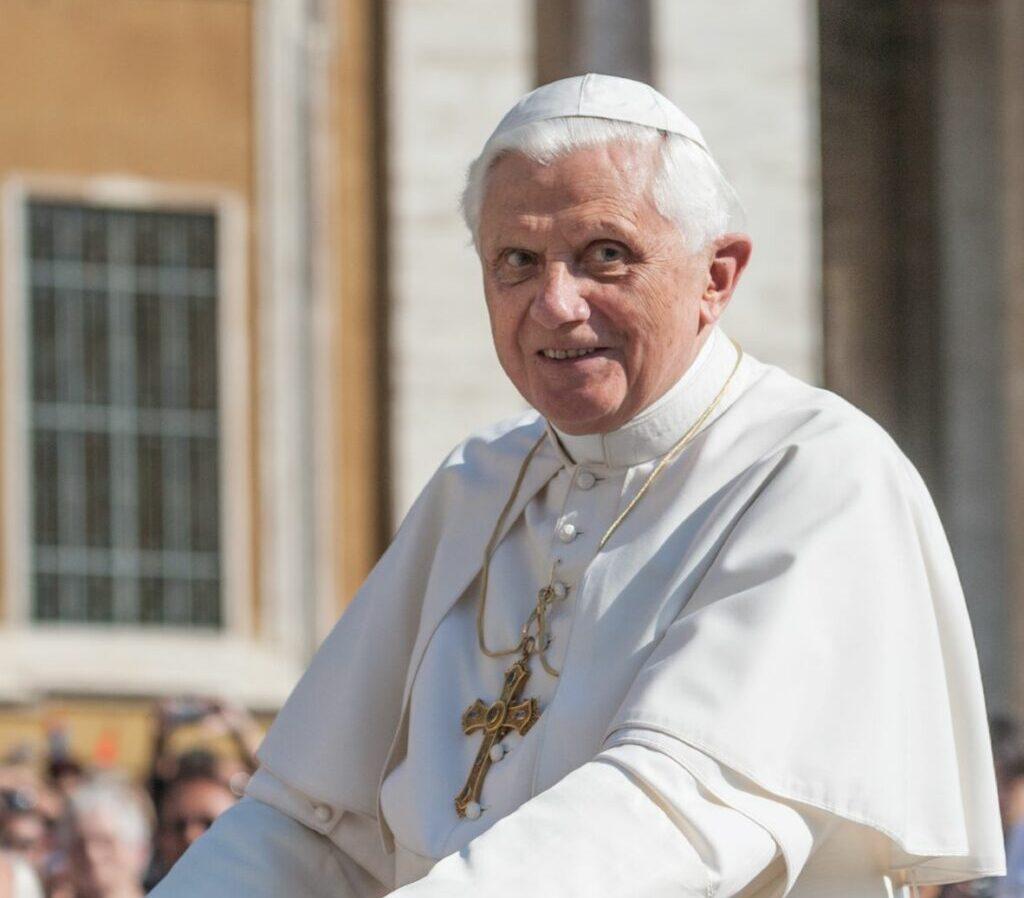
In Bonn’s Bad Godesberg, a plan to name a street after late Pope Benedict XVI sparks outrage from clerical abuse survivors, reigniting debates over his legacy and church accountability.
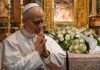
Newsroom (18/11/2025 Gaudium Press ) A seemingly innocuous civic tribute in the serene, tree-lined streets of Bad Godesberg has escalated into a profound confrontation with the Catholic Church’s darkest chapter. A proposal to rename a local street after the late Pope Benedict XVI — born Joseph Ratzinger — has provoked vehement opposition from survivors of clerical sexual abuse, who view the gesture as an affront to victims and a symbol of enduring institutional denial.
The initiative, advanced by the Bürger Bund Bonn (BBB), a local citizens’ association, seeks to commemorate Ratzinger’s formative years as a theology professor at the University of Bonn from 1959 to 1963. During part of that time, from 1961 to 1963, he resided with his sister in the Wurzerstraße area of Bad Godesberg, a quiet residential neighborhood in the former West German capital. A commemorative plaque already marks the site of their modest home, celebrating Ratzinger’s path from academic scholar to one of the 20th century’s most influential theologians and, eventually, the first pope in nearly 600 years to resign the papacy in 2013.
Supporters, including BBB representatives like Johannes Schott, argue that honoring Ratzinger aligns with Bonn’s tradition of recognizing notable figures tied to the city. They highlight his intellectual contributions to Catholic doctrine and his global impact, insisting that his local connections warrant permanent recognition in the urban landscape.
Yet for advocacy groups representing abuse survivors, the plan strikes a raw nerve. Organizations such as the Eckiger Tisch and associations linked to the Aloisiuskolleg in Bonn have condemned the idea, portraying Ratzinger as an emblem of systemic cover-ups within the Church. “Ratzinger stands as a person for the cover-up of abuse,” said Heiko Schnitzler, a spokesperson for one affected group, echoing sentiments reported in German media.
Critics zero in on Ratzinger’s tenure as Archbishop of Munich and Freising in the early 1980s, particularly a 1980 case in which he approved the transfer of a priest from Essen — known to have committed serial abuses — into his diocese for therapy. The priest was later reassigned to pastoral duties, where allegations of further misconduct emerged. Benedict XVI, in his lifetime, steadfastly denied knowingly permitting the priest’s return to ministry, maintaining that decisions were made without full awareness of the risks.
No court or investigation has conclusively proven that Benedict personally concealed or enabled abuse. However, a 2022 independent report on the Munich archdiocese faulted his handling of several cases, accusing him of misconduct in four instances. Survivors argue that such episodes, combined with his later role overseeing global abuse cases as head of the Vatican’s doctrinal congregation, inextricably link his legacy to the Church’s failures in protecting children.
The controversy extends beyond historical grievances to broader questions of public memory. Survivor advocates contend that naming streets after high-ranking clerics prioritizes institutional prestige over victims’ pain, especially amid Germany’s ongoing reckoning with clerical abuse. Diocesan reports and state inquiries continue to expose decades of mishandling, heightening public scrutiny of any honors for figures associated with the crisis. Some have proposed an alternative: dedicating public spaces to survivors themselves, as acts of acknowledgment and reparation.
Bonn’s city administration, caught in the crossfire, has deferred action on the BBB’s request, initiating a formal review process. Street renamings are rare and cumbersome in the city, involving address changes, administrative hurdles, and potential costs for residents — factors that demand extensive consultation. The proposal must clear local councils and weigh both symbolic resonance and practical fallout.
As Germany grapples with the aftermath of widespread abuse scandals — revelations that first erupted publicly in 2010 — even routine commemorations now invite rigorous debate. Proponents emphasize Ratzinger’s Bonn roots and theological stature, undiminished by later controversies. Whether the street name materializes or falters, the episode illuminates a persistent divide: nearly three years after Benedict’s death on December 31, 2022, at age 95, his papacy and personal record remain flashpoints in the Church’s struggle for accountability and healing.
- Raju Hasmukh with files from Zenit News
Related Images: